248 points · by Cozumel · 10y ago · 64 comments
I think in some aspect, it might be even more so (robust), than today's technology: Simpler, more to-the-point technology, leading to greater robustness.
I think today's tech and IT industry has something to learn there, and I'm really happy about the "back to basics" trend in IT, going back to compiled, to-the-point languages like Go, closer-to-the hardware cloud systems etc.
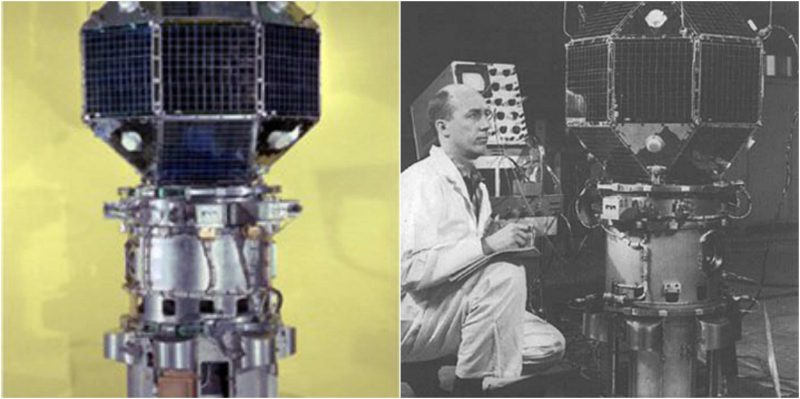
[1] http://www.f-16.net/articles_article13.html [2] http://duotechservices.com/pitch-1-board-repair-of-the-analo...
http://www.pprune.org/tech-log/423988-concorde-question-4.ht...
http://www.liveleak.com/view?i=16a_1231096566
Low light takeoff, because pretty: https://www.youtube.com/watch?v=l7mt6AKKhq4
The corpse gets wedged into the gearing and the machine stops until the body rots enough that what's left falls free and the gears start moving again when the wind blows.
I'd think you'd want a decent return in terms of longevity, considering the size and (I would assume) weight of it.
I'd bet modern satellites are much more disposable by comparison.
Early spy satellites, for example, relied on film that was returned to Earth, once the film ran out the satellite was useless. Other satellites simply became obsolete or lost attitude control and were no longer useful. Telstar had a service life of only about a year, the first half dozen TIROS weather satellites had lifetimes of about a year or less. Today satellites with similar missions are expected to last decades, which they often do.
Which is why many satellites are resold on secondary markets after their primary mission timeframe has passed.
Satellite is launched, goes silent after a few years due to electrical problems. Decades later, the onboard batteries have deteriorated such that they're just a short (no storage capacity), and the satellite works intermittently when the solar panels are exposed to enough sunlight.
https://www.circuitlab.com/editor/#?id=swpddv
There's probably some charge control electronics, but that's the gist of things. When the battery is discharged or shorted, the solar panel would need to raise the voltage to power the load. When the battery fails as an open circuit, the solar panel can power the load directly.
The date in the URL and article says 2016 though, so I'm still not completely clarified on whether this is 3-year-old news or if the satellite is now transmitting again, again --- actually, looking at the name of the site... I'm leaning towards the former.
Man, I'm gettin' old.
I'm not happy I read the novelization of a Star Trek movie, but there we are.
I guess we are all getting old here.