153 points · by frgtpsswrdlame · 9y ago · 42 comments
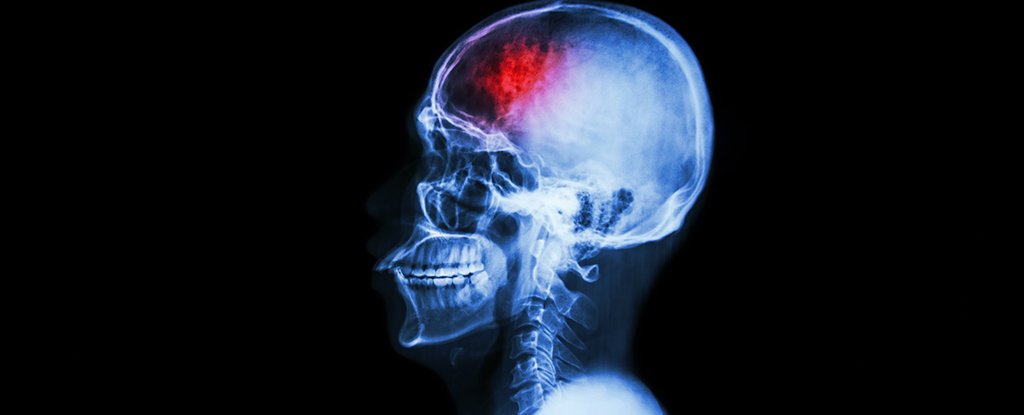
CCMs (cavernous malformations) are vascular lesions, rare vascular lesions and relatively rarely they can bleed and cause "strokes" (as in neurological deficits in patients).
However CCMs that bleed make up a minuscule fraction of a percentage of all patients who have strokes (which are generally caused by ischemia - blockages to vessels with decreased oxygenated blood to the brain).
The title should read 'gut bacteria can potentially trigger rare type of brain vascular malformations'.
Namely "The Plant Paradox" by Dr. Gundry. From what I found he is (or used to be) a well-respected heart surgeon with some influential papers on his name. But I could find just a few summary articles on his current research program, which focuses on diet, foods with lectins in particular, and their relation to auto-immune disease, obesity, heart problems, and more.
I found the book very interesting, and his theories seem plausible to me (someone with no medical background whatsoever). But I also got the impression he may be overstating his case a bit, over-generalizing, so I was wondering about the opinions of medical experts on his work.
I wonder how many other diseases will wind up having bacterial or viral causes.
I was speaking to virologist socially a year or two back, and they stressed that most viruses are only discovered because we go looking for them after acute, serious symptoms. The new tools for trivial DNA sequencing are going to be interesting, it means getting a much more complete picture of the presence of viruses and bacteria, which could then be combined with epidemiology. That virologist thought that a lot of inflammatory diseases like atherosclerosis or arthritis could actually be triggered or exacerbated by infection. The next 10 years will be interesting.
In the case of CFS, there are probably multiple underlying etiologies, only some of which are induced by microbes.
At least the last time I checked, mouth flora bacteria had been found growing in atherosclerosis lesions, and poor dental hygiene was linked to and increased risk of cardiovascular disease.
Eating disorders (both bulimia and anorexia) may be caused by an auto-immune response to a hormone look-alike produced by (some strains? of) e. coli. Both the hormone and the bacterial substitute cause satiety. Depending on the kind of antibodies produced, their effect can be amplified or inhibited.
The Bacteroidetes phylum make up the largest fraction of the gut microbiome. Bacteroides is the largest class of that phylum. Unlike the OMV's of other gram negative bacteria, those of Bacteroidetes are selectively packed with cargo such as sugar hydrolyzing enzymes facing the outside.
This increases the surface area available for the producing cell, but also allows nearby cells to indulge on the now public goods. http://www.cell.com/current-biology/fulltext/S0960-9822(13)0...
well, quite :D
- Someone with 2 comments in total pointing to the same site
- A site called 'facts' showing a doctor selling books
- A site about nutrition focusing almost entirely on veganism
- A doctor who seems to push a vegan agenda and has a sort of cult following in the vegan community
- Cherry picking sources. It's quite obvious from reading some of the articles, and while I don't doubt veganism is good for you, it makes me doubt the site's credibility even more.
We detached this subthread from https://news.ycombinator.com/item?id=14320890 and marked it off-topic.
Parent is making a non sequitur point that most strokes are caused by blockages, not lesions.
Sadly I am not one of the 3 users who understand everything that gets posted here.