52 points · by alphabettsy · 8y ago · 80 comments
We're in this mess because Apple decided that replaceable batteries were not in its best interests. It then applies further technical fixes as a consequence. All of these fixes decrease the longevity of the device as a consequence.
But hey, our phones are 0.05cm thinner and yay, they're 2% cheaper for Apple to manufacture. Whew.
This is unrelated to replaceable batteries. Apple would want to do this anyway, because not everyone will replace their battery (which costs money even on phones designed to make it trivial) at the slightest sign of trouble.
Of course, since the many folks are extremely inconvenienced without a phone for a day or two for servicing, I wonder how good the uptake on the post-warranty battery replace really is. It's a 1 hour operation to replace-and-upgrade.
The time Apple takes to replace the batter is roughly how long it would take me to unpackaged a replaceable battery myself.
The only drawback to Apple's choice (and incidentally just about every other manufacturer's as well) is that I have to drive to a location rather than having a replacement battery delivered.
So there's a drawback, but it's not as drastic as people seem to imagine. I suspect most people are just unaware that Apple (or third parties) will perform this task so cheaply.
And it's now somehow the users' fault for jumping to conclusions.
I emphasized that they call it a feature because they've hidden it and refused to admit it until decent proof appeared. Which is just shady.
Not a fan of this logic.
They aren't user replaceable and that is 100% the correct design choice.
Ah yes, it'd be a shame if Apple didn't get a pound of flesh from the service techs who pay for the license. Very good point.
It's 100% the correct design choice if your goal is to perpetually force users to upgrade. But hey, at least the phone is sliiiightly slimmer. Because what everyone's desperately been asking for is a slightly slimmer phone.
Why? Imagine that Apple sold batteries at cost, so people replaced the battery in their phone instead of throwing away the whole phone. The only loser would be Apple, since they sell fewer phones.
So for whom is it the correct design choice, Apple or its customers?
If consumers demanded replaceable batteries by only buying phones that had them, Apple would not be selling all these phones.
What's your point again? To create drama? Right, that's what I thought.
My point is: it's a fantastically anti-user-interest system and yet another example of the perpetual forced obsolescence that people refuse to call Apple on. And their groundbreaking work in forced obsolescence and PR aircover has made it acceptable for every other phone manufacturer to follow suit. Hooray!
I'd be interested to know what this writer thinks throttling is.
Part of the problem is that Apple wants to market their devices as quality, long-lasting, and also sleek objects, but can't really do so as effectively if they admit that one of the internal components wears out and needs to be replaced periodically.
Some users who have had older batteries replaced also said they’ve seen improved benchmarks after replacing their batteries. Well, yeah. Of course. As batteries age, they stop working as well. Period.
So is there a direct link between the age of the battery and CPU performance or not?
This is to avoid a forced shutoff issue, so is arguably the preferred behavior, but it is also does indeed happen.
Even with my old iPod Mini, if it was running slow I could put it up to my ear and hear if the hard drive was cranking away. My desktop has an SSD, but if the fans kick on slightly higher, it's probably chewing on something and it might come back, just give it a sec.
But with a phone? With modern fanless laptops? There's no indicator that the system is working or if it's straight up hung and you'll need to reboot. And oftentimes for the sake of user friendliness, they just say "please wait" or have a spinning icon instead of saying what they're doing and showing a progress bar.
Troubleshooting has gotten a lot harder as devices get faster and smarter.
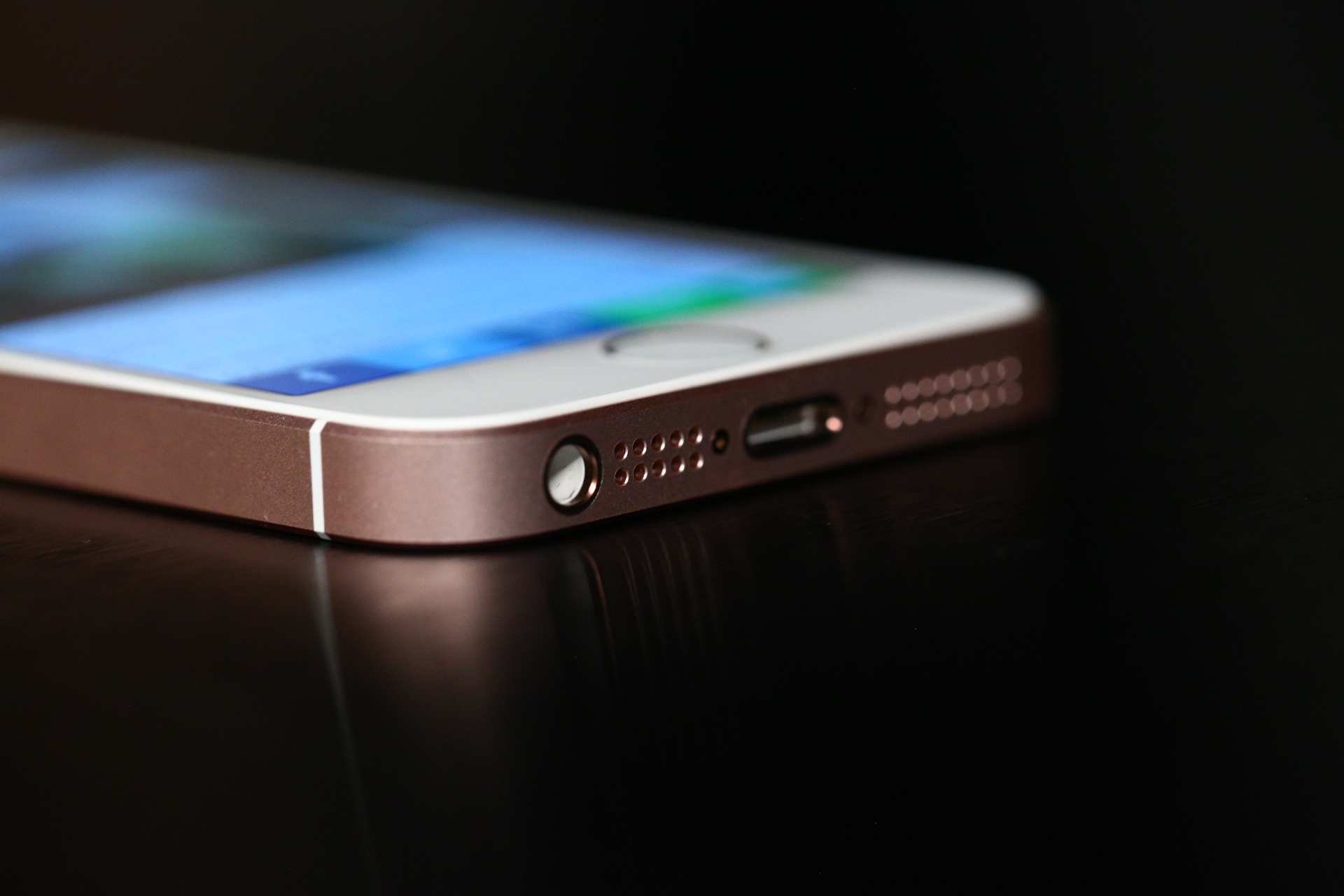
When users are resorting to carrying around phone-sized external battery packs to get through their day, the “thin” argument loses to “dongle” unportability.
While counterintuitive, these changes are decidedly in the interest of the end user.
Bodies and glass are pretty obviously going to deteriorate and a lot of that will be about how you care for your machine as well as build quality but they shouldn't affect performance. Thermal compound? I have no idea if that will affect performance under "normal" use.
This seems no brainer to me.
That said can you imagine the furor if Apple just started popping up a dialog essentially saying ‘Pay us $130 or we’re going to cripple your phone’?
The press would have a field day. It would perfectly fit the ‘Apple breaks your phone’ narrative.
I mean they fixed the ‘my phone randomly restarts when it has plenty of battery left’ and now they’re in trouble for this.
They can’t win.
Unless you're saying all phones should be constrained to only use the power a two-year-old battery can supply?
Example: I haven't heard of similar issues with other manufactures phones. Presumably because keeping the phones basic function working has more to do with the firmware than the OS on top of it.
Apple has a history of victim shaming, or glossing over bugs as features benefiting customers. From "You're holding the phone wrong" response to antennagate to this response for badly engineering their phones (LiOn battery ageing is well known, they should've mitigated it reasonably in their design), they just don't get it
Kill the batteries and recycle them...
$100 one laptop per child, still waiting for it. https://en.wikipedia.org/wiki/One_Laptop_per_Child
$100 phone today is probably as fast as 4-year old flagship and I can't think of anything I can do on my phone now that wasn't possible 4 years ago.