100 points · by spking · 8y ago · 74 comments
I'm also a little confused by your accusation, since the article discusses a comparative study of two groups, both in a warzone, and finds increased mental health effects in the group with higher caffeine consumption. No one is denying that combat conditions contribute to adverse mental health effects, but the whole point of the article is that these seem to be exacerbated by caffeine use.
Sleep deprivation is becoming a real concern in multiple military branches, and I suspect that the mental impact is not due to the caffeine per se but due to the culture around it: consumption of hundreds of mg of caffeine is viewed as an acceptable alternative to sleep. This is definitely also an issue with coffee, but energy drinks seem to be predominant today.
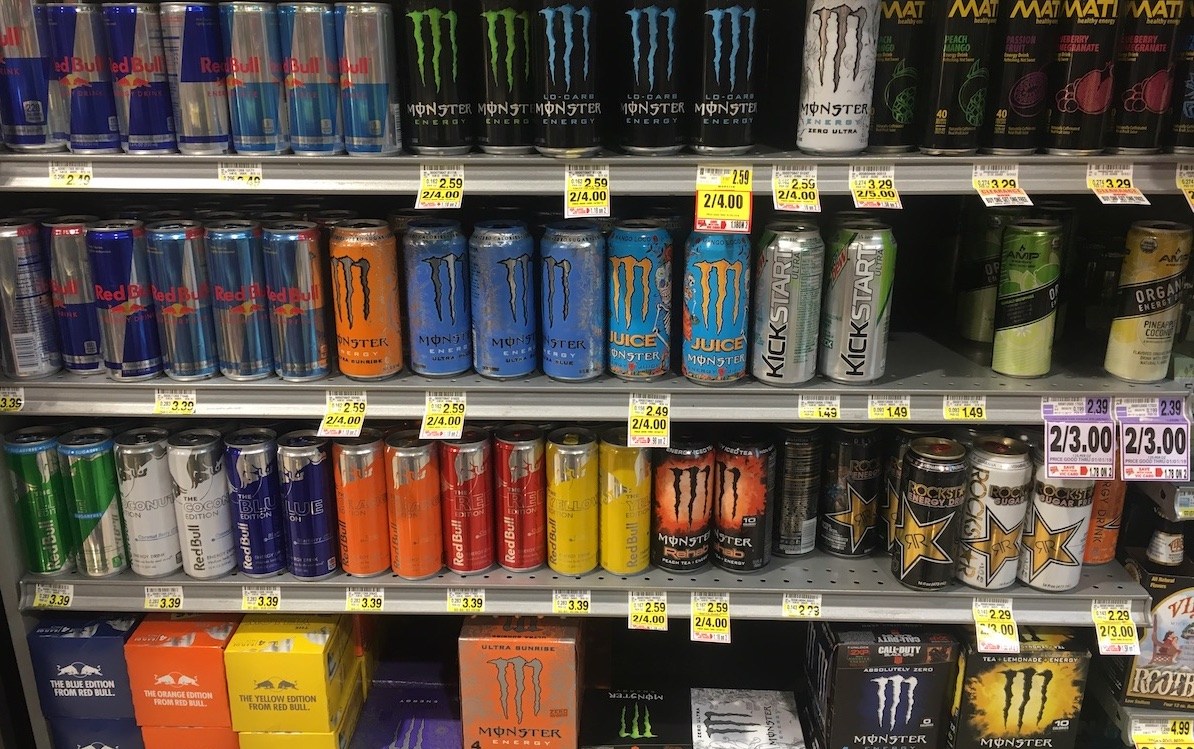
How many is that per day? Like 20??
I'm actually curious now if the 30 year old boomer meme is in any way an outgrowth of the Iraq war. The aesthetic the meme embraces reminds me a lot of the guys I knew my age and older who served. Gonna have to reflect on this a bit.
Personally, I think the 30 year old boomer meme is rooted more in the fact that internet culture moves so fast these days that anything even a few years old is considered dated. Combine that with the definite cultural differences between Millennials and Gen Z, and the boomer meme makes sense.
I would assume that people who consume excessive amounts of a sweat fluid from neon colored cans with ridiculous names tagged on it also have lower capability of self reflection and additional tendency towards drug abuse. That might also contribute to less efficient processing of traumatic experiences.
"Long-term potentiation in the hippocampus" in conjunction with traumatic stress is plausibly causally related to PTSD.
"The amounts of guarana, taurine, and ginseng found in popular energy drinks are far below the amounts expected to deliver either therapeutic benefits or adverse events".
You have to do epidemiological studies to find problems with compounds that have a negative effect only in certain circumstances, because it probably won't be noticed in clinical trials. The foundational example is thalidomide, which is a harmless sedative except in pregnant women. Clinical trials aren't normally done on pregnant women, and they also aren't done on soldiers in active combat.
There may well be no problem, but this is the sort of epidemiological evidence that justifies further study.
The MilFit/CrossFit group I train with now frequently issues warnings about no energy drinks before big workouts.
No - it's Taurene (caffeine as well of course)
Taurene is a whole different game.
Taurene will mess you up long term far more than just caffeine. Taurene has less worse short term effects ... and there doesn't seem to be consensus on long term, but I personally had a serious bout with it messing up my endrocrine.
1 small red bull now and again is enough.
Soldiers need to get more sleep, for god's sakes there's guns and lives on the line. Yes, sleep dep training is important, but with live munitions ... my god man.
Personally I drink similar stuff maybe 2x per year, when I have a long (>1000km) drive ahead. Otherwise wouldn't touch that chemical junk with a 10 foot pole.
> High energy drink use, which was classified as consuming two or more drinks per day, was significantly associated with those survey respondents who reported mental health problems, anger-related behaviors and fatigue, the authors found.
The above passage is about as close as the article gets to its title, and it's left vague by combining mental health problems, anger-related behaviors and fatigue into the same statement.
In many people, both may be happening, so teasing out the direction of causation is difficult.
Given the importance of mental health in the military, I'd think it should be enough evidence for some kind of intervention trial though.
See what happens when an energy's drink effect wears off
This makes it hard to figure out if the obvious intervention (ban energy drinks) would actually do anything, or if the answer is really more rest—an idea the military has been loathe to adopt in general.
> The findings also support the need for further research in this area, particularly longitudinal studies that would allow for stronger assessment of causal relationships.
> the measures for depression and PTSD each included two items related to sleep and the models were run with sleep problems as a predictor, which could lead to potential confounding in the analyses; however, this is consistent with research in this area.
Personally, one of my worst moments deployed was when our Ripit/RedBull/Tobacco supply got blown up (well, technically the DFAC and PX actually collapsed after being blown up due to shoddy construction) and we had to have people fly them in from BAF. I'm sure the lack of energy drinks contributed to PTSD for those who didn't have alternative logistics.
(-Studies)
https://www.ncbi.nlm.nih.gov/pmc/articles/PMC4522929/ https://www.ncbi.nlm.nih.gov/pmc/articles/PMC4086302/ https://www.ncbi.nlm.nih.gov/pmc/articles/PMC5056806/
It has good caffeine content, but apparently has a slower absorption. Helps you to keep focused, without the strong highs and lows you have with pure coffee.
As with a lot of other things observe yourself and don't blindly trust studies. even if the study finds positive results for 90% of people you may be in the 10%.
I drink dandelion coffee now. It's quite good.
Actual stimulant use is restricted to special forces and flight crews. But anecdotally, the energy drink consumption in the Army is out of control. I can remember people literally ordering pallets of Monster to show up on training exercises. Nicotine too. It's not uncommon to see someone with a dip of Skoal in both sides, smoking a Newport 100, and drinking a Monster all at the same time. It's just a necessary escape when you're living in an environment that has your fight-or-flight response engaged 24/7 causing total CNS overload, with zero access to alcohol or hard drugs and 4 hours of sleep a night.
It’s almost as though a constant state of deployment and endless warfare is a damaging and undesireable condition.
Ambien was also handed out for long-haul flights for a lot of people, which was pretty nice when crossing a bunch of time zones. I don't know at what level of authority that was authorized.
What like as a replen demand? Aren't they restricted to using issued rations on an exercise? And how are they getting them deployed?
That and what you can manage to bring with you.
Back when I was in the infantry you carried whatever you took to the field so we tended to pack light(ish). I used to take a little camp stove so I could have hot coffee in the morning and other people would pack stuff like ramen or whatever.
Even when we were living in holes ~1km off the Iraqi border they managed to get us cigarettes though that's not one of the "issued rations"...also pretty sure that's when I got that camp stove so other things were possible. Before that, when we were staying is some dilapidated warehouse in Saudi, they had pallets of Pepsi get delivered on a regular basis for the chow hall.
On my last trip to Iraq they had pretty much whatever you wanted at the PXs and we (civilian contractor types) used to smuggle a bunch of canned drinks out of the chow halls instead of buying them but don't really remember if they had energy drinks in the coolers since that's not my thing.
Think I got a bit rambley there...
WW2 German Army ran on amphetamines, according to this book: https://www.amazon.com/Blitzed-Norman-Ohler/dp/1328915344/re.... Interview with the author: https://cen.acs.org/articles/95/i12/Blitzed-author-explains-...
The classic example is that schizophrenics are much more likely (3x or so) to smoke. Interview with patients suggest that it helps control symptoms and there are somewhat plausible biological mechanisms that could explain why.
Stimulant use (mostly cocaine) is a bit more common in some neuropsych conditions. I don’t know of any studies about caffeine and PTSD specifically, but it seems pretty similar.