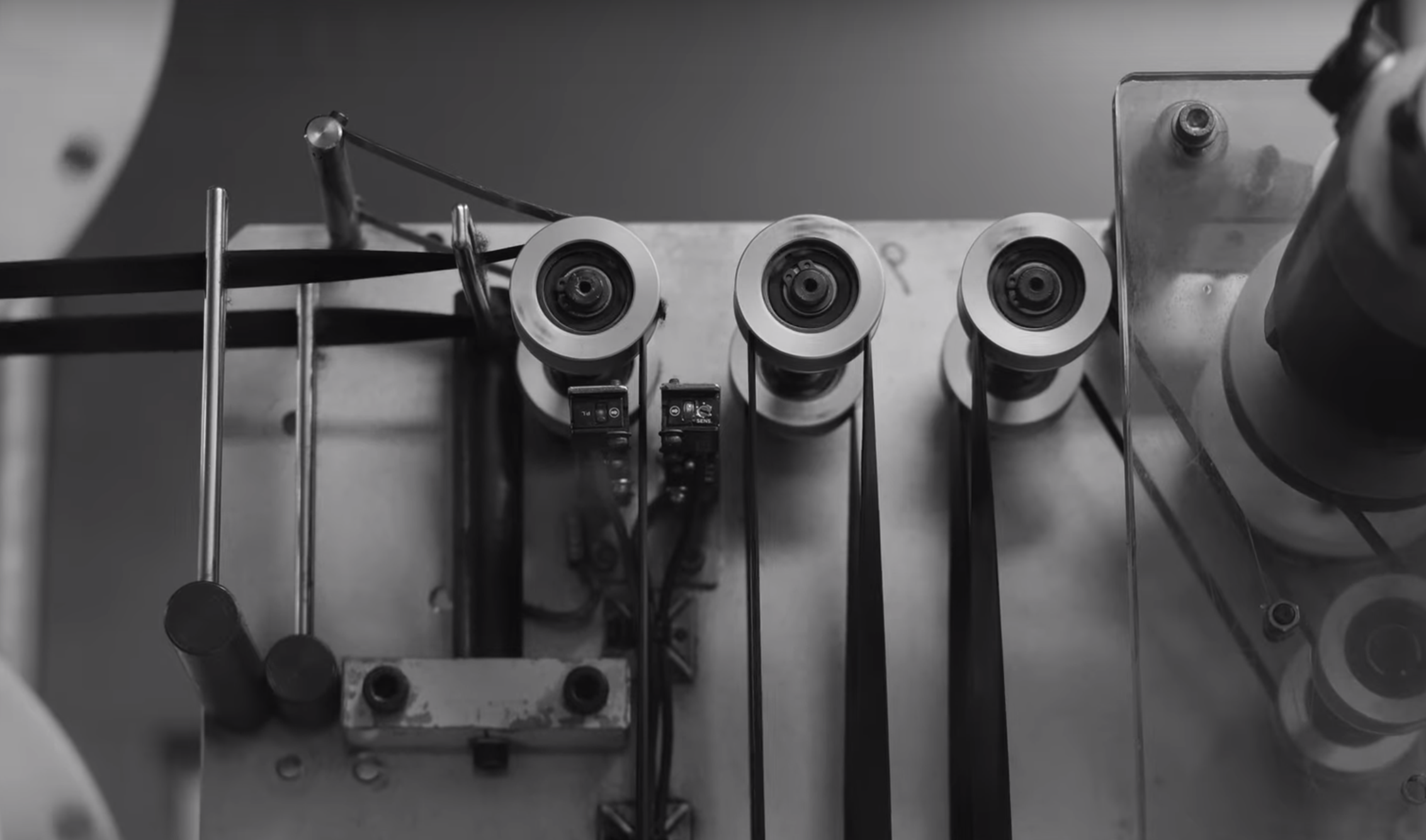
Short Film Takes You Inside the ILFORD Factory to See How B&W Film is Made
UK-based film and photo paper manufacturer ILFORD Photo has released a new short film titled "Behind the Film" that takes you inside the HARMAN technology
PetaPixel
77 points · by throw0101a · 7y ago · 11 comments
Ilford is obviously an old company, but it does also feel like a contemporary idea - responding to the collapse of film for general use by becoming a company with a very clear, singular niche: black-and-white photographic film and processing materials and nothing else, with simple distinctive branding and a focus on quality and continuity. I do hope they can keep it going, as nobody else quite compares from the customer's point of view.
In a different field, there's a French company that has been restarting production of classic formula audio tape, both reel-to-reel and cassette - related I think to the old Pyral tape company - see https://www.recordingthemasters.com/. Both these things have an appealing physical quality, although in both cases it's striking how much more manual work and chemical/plastic waste is involved than in the typical digital replacement.
Regarding waste, I'm not entirely convinced it's as bad as it looks. Per image taken, certainly. But the typical film shooter is not taking very many images per year. And digital cameras have their own quite large environmental footprint, although it's mostly a one time event, while the environmental footprint from film is incremental.
Lomography is also thriving in the film market: https://shop.lomography.com/en
At some level, that's true. Film sales have been modestly up the past few years to the degree that some emulsions have even been put back into production. So presumably any company that still has a viable business that includes film will be able to keep on doing so for the time being.
But for context, film is at something like 2% of its peak before digital started grabbing meaningful share.
It's not as it was, but it's not at artisan levels either.
Edit: peak film was 2004. That feels strangely close to me. I would have guessed on gut instinct 1999.
But when I really think about it, it checks out - I held out on photography between 2004 and 2008 because I didn't have a camera then. But I didn't want to buy a film camera, that felt weird. On the other hand the digital cameras were total crap. In 2008 I bought a compact digital camera which was... passable. And not exactly cheap, $300 equivalent or so.
Today these images are potato quality. All mobile cameras are better. Most film cameras are better.
The video does mention some R&D, so they're not entirely resting on their laurels, but film is probably at the end of its evolutionary road. I would think it hard to find any new break throughs.
Also, a lot of the folks featured seemed to be older ("we have lots of experience"), so I hope that they have some foresight in knowledge transfer and young/er workers.
Some years ago I was taken on a tour of their facility, I was struck by how passionate about the product everyone I met there was. That passion seems to ride through to their loyal user base, I hope Ilford remain strong.