208 points · by EndXA · 7y ago · 146 comments
https://en.wikipedia.org/wiki/Warburg_effect_(oncology)
Interesting new pharmacology for sure, but the end of the article is critical here:
"Additionally, an accompanying commentary by William Katt and colleagues indicated that there are no FDA-approved drugs that target glucose and glutamine metabolism. This is because previous drug candidates proved to be too toxic for use in humans."
It's really hard to go after glucose because it's kind of everywhere. If there's a way to target this compound more specifically, maybe it could be useful. As it stands now, it's very very far from being a viable drug (and it doesn't sound like the authors claim otherwise). Cool science though.
The issue is that cancer is polyclonal so there is a sub-population that predominantly relies of aerobic glycolysis, but the sub-populations that mostly metabolise glutamine or fatty acids will escape treatment... so you need a bit of a shotgun approach, in combination with traditional anti-cancer agents.
Is this actually true? Having done the ketogenic diet and bringing carbohydrates down to almost nothing, my brain definitely didn't starve. In fact, running on ketones was amazing.
It kinda depends on what exactly they mean. Is it true that if you had zero glucose available in your bloodstream at all your brain would be unable to function? Yes. Is it true that if nothing you ate contained any glucose your brain would starve? No. There's a process called gluconeogenesis which produces more than enough glucose for your brain to function no matter how few carbs you eat.
The amount of glucose you need in your blood stream to keep everything running smoothly is a very small amount easily produced by your body through a process called gluconeogenesis.
I went 60 days sans any calories and my body self regulated glucose just fine.
I won't say fasting for 21 days was the most pleasant experience, but it is entirely doable by the average healthy person. Nice job going 60 days. The hardest part for me was the social aspect, family/friends' repeated concerns because I'm 'starving myself', sitting at the dinner table while everyone else eats, etc.
Ketones were always at or near the limit the meter is designed to test for. I think anything over 8.0 mmol/L and it would yell at me to see a doctor. Lowest I recorded was 7.0, and almost every reading was over 8.0. Felt fine the whole time.
Echo what you said about the hardest part being social though.
The fact that humans can fast for weeks or months isn't evidence in favor of:
> The amount of carbohydrates you need in your diet to survive is exactly zero.
http://www.jbc.org/content/87/3/651.full.pdf
> Two normal men volunteered to live solely on meat for one year, which gave us an unusual opportunity of studying the effects of this diet. The term “meat,” as used by us, included both the lean and the fat portions of animals. The subjects derived most of their calories from fat and the diet was quite different from what one, who uses the term “meat” as including chiefly lean muscle, would expect.
...
> 11. In these trained subjects, the clinical observations and laboratory studies gave no evidence that any ill effects had occurred from the prolonged use of the exclusive meat diet.
People in the Arctic circle like the Inuit always lived almost entirely off of meat and Mongolians and other steppe pastoralists come very close, adding dairy.
Eating is definitely optional if you have the body fat.
Were you working during this period or off work? Sometimes starting the fast is troublesome when one knows there's going to be energy level issues.
I like the idea of avoiding coffee/tea, that's something I think could help in the long run.
One other negative experience but that was due to my own stupidity and I've since learned better.
Basically if you're above 15% bodyfat, you only need two things to live. Water and electrolytes.
If anyone has any questions, more than happy to answer e-mails.
> "If you do not consume enough carbohydrates in your diet, your body will synthesize the glucose you need."
>If you do not consume enough carbohydrates in your diet, your body will synthesize the glucose you need.
the body would preferentially reserve all glucose for the brain
No, because the brain can use ketone bodies as fuel. Some other organs (such as the heart) cannot.The brain does use ketones in starvation sitautions, but it always needs to use some glucose, so over time the available glucose ends up redirected there.
From what I can find it appears that the heart does utilize ketone bodies for fuel, contrary to what you are asserting. There is correlation to heart failure, possibly from stress in utilizing an energy source with less efficient bioavailability.
For simplicity here's the wiki link as a summary https://en.m.wikipedia.org/wiki/Ketone_bodies
I'd love to see the research that shows your point in more detail.
your hypothesis seems to be that a lack of carbohydrates (read: sugar) caused an individual to develop diabetes, but "diabetes" generalizes down to:
- the body (pancreas) does not produced insulin at all (type I)
- the body's cells are resistant to the produced insulin (type II)
we should be able to basically rule out type II because there should have largely been no insulin produced by this individual (glucagon would take priority due to low blood sugar), so insulin resistance seems super unlikely. and type I has a mix of factors but they are largely all autoimmune, where various pancreatic cells are destroyed by the body itself, causes generally unknown.
"losing the ability to process sugar" seems really sketchy, because those are all critical cellular processes that don't just go away. i realize you're probably not biologically trained but that statement doesn't make a whole lot of sense.
so which form of diabetes did this individual get diagnosed with?
I have no idea as to the validity of this anecdote but the idea isn't unprecedented. For example, correcting an iodine deficiency can cause the same thyroid issues that a deficiency can cause.
They're simply not, the body can manufacture all the glucose it needs.
The ketogenic diet is glucose sparing, that is your insulin levels are dramatically lowered since the very small amount of glucose you're eating should go to the tissues that require it, not into your fat cells.
So if you're on a ketogenic diet and then eat a lot of glucose, your body takes a little while to ramp back up insulin. That's not the same thing as insulin resistance or impaired insulin production in diabetics.
Your brain would literally starve without it. If you do not consume enough carbohydrates in your diet, your body will synthesize the glucose you need.
This medication is intended to block glucose transport to cancer cells while not blocking to non-cancer cells. Even if a zero carb diet would be a good idea for a cancer patient in general, there is absolutely no chance that a zero carb diet would be equivalent to the intended mechanism of this medication because people with a zero carb diet still have plenty of glucose.
I find it amusingly absurd how so many people here seem convinced that our primary food source is somehow a poison. People with 0 carbs in their blood are colloquially known as 'dead'.
I wonder if people even know what ketone bodies are... They are a downstream product of glucose processing(also downstream of fats - the inputs are different but the outputs are identical in a few ways), acetyl-coA, stuck together for bloodstream transport with the coenzyme temporarily removed.
Excess protein (in fact, even in the amounts society recognizes as "normal") is bad for you. https://www.youtube.com/watch?v=2R07FL1wVo4
But still, I gave him the benefit of the doubt and sincerely asked him, and ask others here, "Please provide me with studies that show that it's 'horrible for the brain'." I don't mean that to be snarky. I've looked and haven't been able to find the studies. Maybe I've been looking in the wrong places and I would love to read the studies* that show how bad it is.
Towards the end of the conversation with this guy I found it amusing that he stopped chiding me long enough to ask, "So... wait, what is Keto?"
* Peer-reviewed, scientifically rigorous studies only please.
Seriously, I had an accident in March that necessitated a brain operation and left me in the hospital for over a month. The most surprising after-effect is that I can't always predict or recognize the symptoms arising from that.
Was your keto diet the only change in your life? Going from obese to athletic in 6 months probably includes some other good habits like going to gym/physical activity and good sleep etc. So maybe your change in a lifestyle helped you improve you mood and focus, not necessarily the keto diet in particular?
There's literally thousands of articles on it on pubmed.
Paleo humans never ate meat sounds silly, though.
The mechanism seems to be that during periods of fasting, normal cells "hunker down" and restrict the consumption of nutrients and other materials. Cancer cells don't do this though and continue to consume the nutrients, which are actually chemotherapy drugs in the patients.
Fasting therfore increases the absorption of chemo by the cancer cells and reduces the consumption by normal cells keeping the patient healthier.
Fasting also enables the body to more completely rid itself of cancerous cells by consuming them in the absence of alternative sources of nutrition.
Lots of reasons why fasting is a good thing.
Your understanding of how chemotherapy works with cancer and healthy cells seems flawed. Chemo harms all fast-growing cells, healthy or not. That’s why people have terrible tastes, stomach problems, hair and skin problems during chemo; those are all fast-growing cells. They grow fast whether you are fasting or not; but killing them in large numbers (what the chemo does) raises the body’s demand for energy and nutrients just to maintain health. That demand must be met with healthy food and drink.
Edit to add: Fasting by a healthy person may reduce their chances of developing cancer; that seems plausible to me. My point is that people undergoing chemotherapy should follow the directions of the doctors. In my experience, those directions are to eat well while receiving treatment.
Here is one of the articles I'd found in my research: https://www.ncbi.nlm.nih.gov/pmc/articles/PMC4494906/
I only found preclinical studies. And anecdotal results from others who have tried it. I've been unable to find any good evidence that the efficacy of the chemotherapy is enhanced, only that side effects can be mitigated.
Two oncologists I've seen are not supportive of my fasting but haven't strenuously objected to my decision either.
FWIW, a third oncologist opposed my undergoing chemotherapy at all. I've found, in general, a lack of consensus as to proper treatment, at least in my situation. I've now consulted with seven specialists (four oncologists and three surgeons) and the recommendations haven't been consistent. And most of them decline to give definitive directions, leaving the major decisions to me. My point being that, at least in some situations, following the directions of doctors isn't necessarily an option.
Edit: Added some details
> Conclusion
> [Short Term Fasting] during chemotherapy is well tolerated and appears to improve QOL and fatigue during chemotherapy.
https://jeccr.biomedcentral.com/articles/10.1186/s13046-019-...
> Abundant and convincing preclinical evidence shows that STF can decrease toxicity and simultaneously increase efficacy of a wide variety of chemotherapeutic agents.
https://osher.ucsf.edu/patient-care/integrative-medicine-res...
> For general cancer prevention, it may be beneficial to add intermittent or short-term fasts in combination with a plant-based cancer prevention diet
and
>Fasting may also protect patients against the harmful side effects of chemotherapy or radiation therapy.
and
> They concluded that a 3-day fast could help regenerate a strong immune system
> Additional research in both rodents and monkeys have shown that when CR was started by 12 months of age, lifespan was increased and incidence of spontaneous cancers was reduced by 50%.
> Furthermore, it is theorized that cancer cells do not respond to the protective signals generated by fasting, thus leaving them vulnerable to both the immune system and cancer treatment.
I feel like this is sufficient to refute your several oncologists' anecdotal opinions which are not supported by the research.
https://www.medicalnewstoday.com/articles/324169.php
> There is a growing body of evidence supporting the role of fasting in both cancer treatment and prevention.
Lots of links to sources in that article too.
You have to be very careful relying on the advice of oncologists. Think about what their motivations are. What are their biases? I dealt with this very personally for a long time and found oncologists to be ... human and suffer from all the same problems as other humans.
Their patients are ... dying and they don't want to die. It's a very emotional time for all involved.
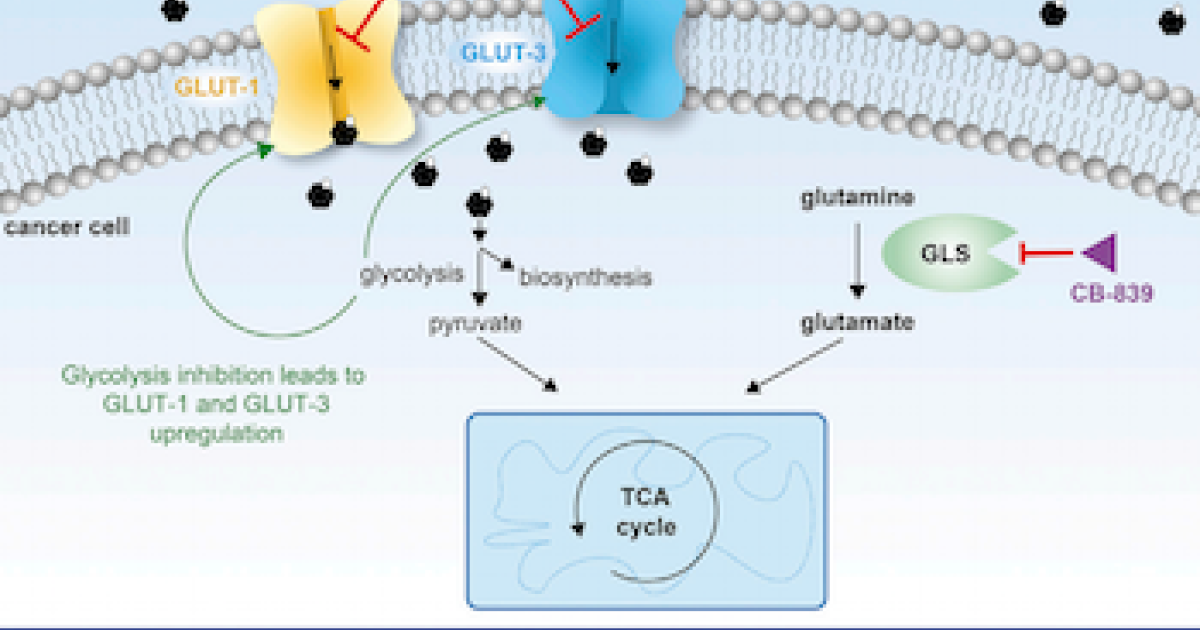
I suspect that one thing fasting does is frees up those cells to do other stuff.
more completely rid itself of cancerous cells by consuming them
I don't think that's the mechanism of action.Papers it discusses include: * Starvation-dependent differential stress resistance protects normal but not cancer cells against high-dose chemotherapy – Lizzia Raffaghello, Valter Longo et al. (2008) https://www.dropbox.com/sh/wmq7q6azyzfsubm/AACoCigKOQYxthruL...
* The effects of short-term fasting on tolerance to (neo) adjuvant chemotherapy in HER2-negative breast cancer patients: a randomized pilot study – Stefanie de Groot et al. (2015) https://www.ncbi.nlm.nih.gov/pmc/articles/PMC4595051/
* Fasting and cancer treatment in humans: A case series report – Valter Longo et al. (2009) https://www.ncbi.nlm.nih.gov/pmc/articles/PMC2815756/
* Fasting-Mimicking Diet Reduces HO-1 to Promote T Cell-Mediated Tumor Cytotoxicity – Di Biase et al. (2016) https://www.ncbi.nlm.nih.gov/pubmed/27411588
* The effects of short-term fasting on quality of life and tolerance to chemotherapy in patients with breast and ovarian cancer: a randomized cross-over pilot study – Bauersfeld et al (2018) https://www.ncbi.nlm.nih.gov/pubmed/29699509
Actual long term fasting (ie, 3-5 day hardcore mode shit) allows the body to maximize autophagy to kill off damaged cells. The western diet of 3 square meals a day and keeping insulin levels alarmingly high (which both frequent and carb-laden diets promote) stops autophagy (for safety reasons; you don't want to accidentally attack cells doing their tasks to absorb and utilize nutrients).
So yeah, given what is known about cancer today, I personally eat keto omad (one meal a day intermittent fasting) within a 4 hour window every day, and periodically fast on top of that.
There are many things to consider, including refeeding syndrome, it is highly advised to seek MD advice prior to undertaking such a diet.
Lastly, there is a ton of research highlighting fasting and its effects on stem cell regenerative properties.
Ketogenesis is arguably the most ideal state for our bodies to operate in, but it is also arguably the hardest one to maintain in our society. It is difficult for most to consistently ignore that big-ass box of krispy kreme donuts your asshole coworker brings in every day. Just one of those per day is probably enough to keep you stuck in glycogenesis for the rest of the morning and into part of the afternoon.
If you look at the push of HFCS and other crappy food options with incidence rates of cancer over the last 3 decades, I am pretty sure you will see some correlation there. Obviously, it is hard to draw a causal link between these, but at a certain point I am going to give up on the academic explanation in favor of a series of practical observations and whatever inferences I can draw from those. I am also acutely aware of the influence of profit seeking in the medical & academic communities. When I see a study come out that says something along the lines of "sugar isn't actually that bad for you" I immediately think big sugar or corn financed this research piece for their own benefit.
I have personally fasted for stretches as long as 5 days, been on one-meal-a-day, and have been on ketogenic diets for months at a time. I have also been a complete waste of a human, eating and binging on all manner of sugary, carb-loaded foods and other unspeakable horrors. I can tell you that 100% of the time, I felt better in the ketogenic state. Sure, you can argue for that very brief feel-good you get from slamming that donut, or the mental fortitude required to force yourself into keto. But, at the end of the day, once you are keto it's easy. It's just the transition phase that sucks. As with most things.
Krispy Kreme donuts are easy to avoid ... Donuts from your local hole in the wall donut shop on the other hand.
OTOH, intuition is sometimes wrong.
It should be a pretty simple study to do. Just make sure to get enough people involved. Then correlate amount of fasting with the incidence of cancer over some period of time. I guess the duration of the study would be the only impediment.
This is what I've read on the topic and longetivity studies on people who go on long term fasts seem to support it.
That's what I've been told/read on the topic, but I'm not an expert by any means.
I always respected the religions that observed some sort of fast, as it was a cool way they encoded health & longevity into their population.
Edit: I don't want to provide sources. Me not providing a source on demand for the HN crowd does not mean this is not true. Do your own research, or don't.
https://www.cancer.gov/about-cancer/causes-prevention/risk/o...
It would make sense that by limiting food intake, cancers would progress slower.
It's just that when treating cancer, there may be opportunity to modify its intake and see benefits.