92 points · by doener · 6y ago · 72 comments
If I'd done same thing on my retina MBP you'd be looking at a serious repair, either by me or Apple (= $$$). Making me seriously consider where I'll buy my next laptop from.
How did I break the screen? Well I dropped it three inches onto my sofa. Yes that fragile if you get it at the right angle. No thanks!
I've had several thinkpads and nearly beaten them to death basically and they just keep going. I poured an entire cup of coffee in one a couple of years back and fell over with it while running and it had a cracked keyboard footprint which was replaced for £15 from ebay. It still worked fine when I sold it.
The only thing worse is the fact that the duty cycle on the USB-C ports is so stupidly low. We ended up getting everyone these little port saver things because we got tired of sending laptops in for worn out ports.
All are soldered directly to the motherboard :(
I have done this numerous times on older Thinkpads to put 1080p IPS screens in.
On top of that the entire lid assembly is 500% less of a shit show than the MacBooks are (I have repaired several of them as well) for 2mm or so of extra thickness.
Do they do that?
That's the point. The Apple retina one is non-standard because it's more modern. That's why it's harder to replace. That's why it's more expensive to replace.
> I have done this numerous times on older Thinkpads to put 1080p IPS screens in.
Yes... I'm saying that's the easy one. The hard one is the modern retina MacBook.
https://www.amazon.com/BRIGHTFOCAL-Thinkpad-1920x1080-Replac...
What are you saying no to? That's what I said - an old-style low-res Full HD screen is cheap and standard. A modern retina screen is not. That's why they're harder, and so more expensive, to replace.
the mechanisms are much simpler in a tractor and mechanical in nature.
trying to do the same with other appliances could be dangerous or fatal if mistakes are made. farmers are literally hacking their machines (https://www.youtube.com/watch?v=EPYy_g8NzmI ) likely voiding warranty.
The mechanisms in a tractor are different, not necessarily simpler. Replacing a keyboard on a Thinkpad is both mechanical and as siple as it gets.
Messing up a mechanical repair can absolutely be dangerous: it's a few horspower you could suddenly have out of control.
You need another new skilset from designers and mechanical designers to not only make small, beautiful and "easy to build and durable things" but also easy to fix things.
You also need more from the production chain to be able to ship parts and instructions how to change them. And ship them.
Things needs to be recyclable and should be fixable. Just saying, IMHO, that it is harder and I understand why in some stage it's not done.
Deere Employee, but not speaking for my employer.
If you don't buy products with these conditions you never once face these problems.
The title really should be: "fighting for the right to repair products I happily bought when the EULA clearly said I couldn't do that"
Maybe stop buying these products and the companies will change their tune like the wind.
I think this (emphasis mine) is somewhat disingenuous. Sometimes there are no other options, or they have significant tradeoffs (in ways that aren't due to that clause in the EULA).
I think a better phrasing would be something like, "fighting against the ability of EULAs to restrict the buyer's right to repair".
Drawing a parallel to an extreme, to show where the argument comes from: we also don't allow people to sign themselves into slavery, even though in some circumstances people will "happily" do just that.
That requires quite a high level of market efficiency to work. It might work if this was enterprise-enterprise trade, but it is unrealistic to assume the end user will compare (or even read) the long lawyerish EULAs and determine which will be more beneficial in the long term.
I do agree that a specific law can feel like "a hack" and less elegant than a free market solution, but I don't really see how to achieve that here.
https://medium.com/@jlkoepke/we-can-change-these-terms-at-an...
https://web.archive.org/web/20201017150508/https://medium.co...
Until they're the only kind of products left. See smart TVs.
It is way cheaper to just produce a new product from scratch.
The cost of labor has absolutely nothing to do with this. A single person who wants to fix their own phone or tractor should be able to do it without having to jump through ridiculous hurdles or being outright blocked from doing so by the manufacturer.
I'm all for right to repair that allow consumer freedom to repair their own device, i.e the manufacturer can't sue you for repairing your own device.
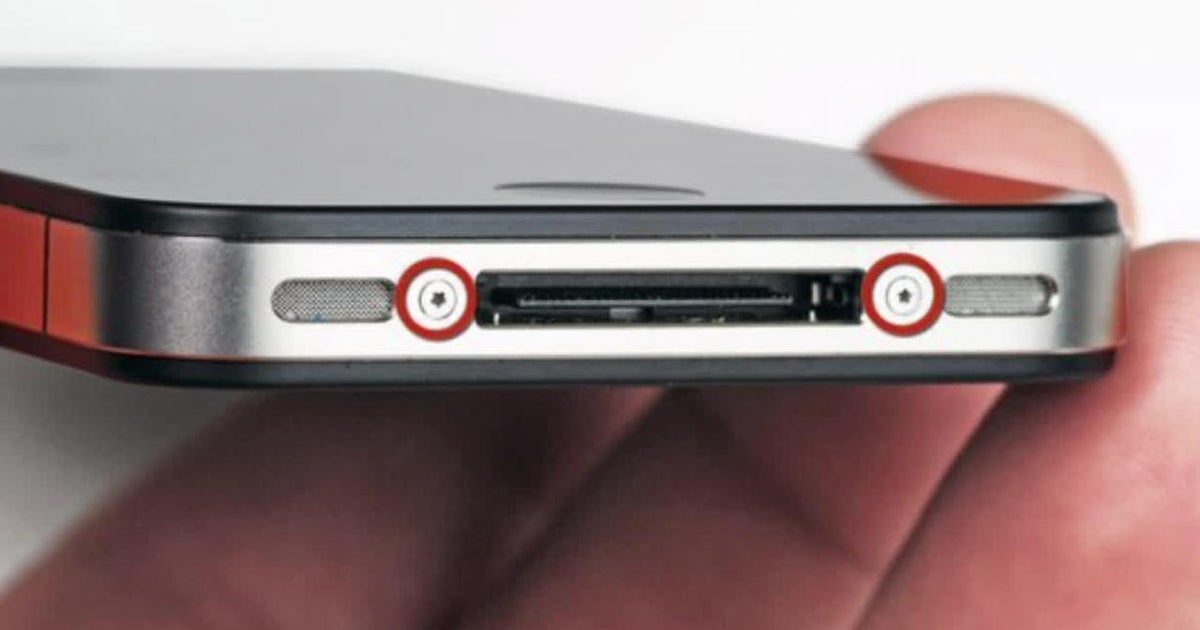
What I won't support is if it require the manufacturer to design the product differently, i.e forcing apple to make thicker device/using different screw in order to make battery replaceable.
I'm sure car manufacturers would love to exclude all those pesky expensive safety features from their new cars, but they're not allowed to do that. We've required them to design parts of their product in specific ways.
Or how about airplanes? Boeing sure seems enthusiastic to get rid of safety features on their airplanes, should we really allow them to do so?
Or how about the phone you might have in your pocket? It talks to a cell tower right? We've restricted the designs of the radios in the phones and cell towers such that they don't emit more EM than a set limit. Surely Verizon could get much better coverage if they just crank up their signal, drowning out everyone else?
Point is, we regularly and consistently restrict how manufacturers can design, manufacture and eventually operate various goods. Why should Apple get a pass?
It should be easy and cheap to recode eBay parts, but only once they are verified not stolen.
- make public the schematics of electronics
- let your users buy spare parts, don't use lawers or DRM to prevent using an un-official part as long is a choice I am making ( who would like that his car won't work if you replace the stereo or a light bulb with an equivalent or better one but that is not from the approved companies)
- let anyone use the debugging software and ports, I should not have to travel and pay so some guy would use a proprietary tool to read and translate an error code.
- let people salvage parts from broken devices and fix with them other broken devices, don't be evil and DRM stuff or destroy good parts because you want to sell new shiny things.
- if you sell a device you should not have the right to brick it with an update, if you can't support it anymore you should be forced to unlock it and if is IoT thing open it up enough so people can use their own server alternative.
I am sure someone will say something about batteries exploding but from my memory we had devices with batteries for a long time and we could change the batteries, we could mod the cars, we could mod the computers and no precious billion dollars companies "shiny" image had to suffer for it.
I 100% agree with your comment.
However the biggest arguments I can see are around security and counterfeiting.
I don’t want to worry about whether the device I’m buying has been compromised with replacement parts that leak data, or render otherwise render the device insecure.
Second hand always has a risk and the price reflects that. I know the stress my family had before deciding what second hand car to buy. But I also know the fact that they could replace a car mirror,body parts and even an engine with parts from cars in the junk yards - in the future your Apple/Tesla car will not let you start it if you replaced the windshield with one from a different car, you will need to use official replacement parts and use an official dealership that will remove the DRM locks for a big price. In this future a car with a broken engine will be scrapped instead no part will be reusable because it will be more profitable to make a new car or only fix the cars in the official dealerships.
Maybe we should also solve the crime problem more directly by catching the criminals or giving them jobs and not by screwing the society with making things un-repairable (and what I coincidence this is also very profitable for the big companies and affects only the small business and citizens, but yeah coincidences happen I am sure Tesla and Apple were thinking about theft and not about money)
I had a phone with a user-serviceable battery. It took no special parts to replace it. And so I used a machine that otherwise would've gone to electronic waste for several more years.