Life Circa 2050 Will Be Bad. Really Bad.
Future widespread suffering won’t be caused by some unforeseen disaster but by all-too-obvious, painfully predictable reasons.
The Nation
32 points · by makerofspoons · 4y ago · 52 comments
As shitty as it is going to be for us, we'll adapt and survive.
It's a good thing.
Seems like we're happily creating a huge outgroup of "thems" who want to wait until Pfizer concludes long term testing. Especially seeing how many countries in Europe have now stopped giving Moderna to males under 30 due to the discovery that it causes heart conditions in that cohort.[0]
[0] - https://www.forbes.com/sites/roberthart/2021/11/10/germany-f...
There are beginning carbon tax efforts by legislators and governments that will greatly incentivise further developments in reducing ecological harm along with emerging eagerness by big corporations to become zero footprint. This is not only by word and regulation but by actual doing. There's a monumental change happening right now.
- the FDA has approved about 190 new cancer treatments for adults, we have the Human Genome Program and CRISPR;
- graphene was isolated in lab and it is used in many applications (from solar cells to HIV diagnosis);
- bluetooth officially launched in 1999;
- we are on Mars with Curiosity and reusable rockets are a reality;
[1] https://www.fda.gov/media/122693/download
[2] https://www.drugs.com/newdrugs.html
[3]https://fee.org/articles/the-20-biggest-advances-in-tech-ove...
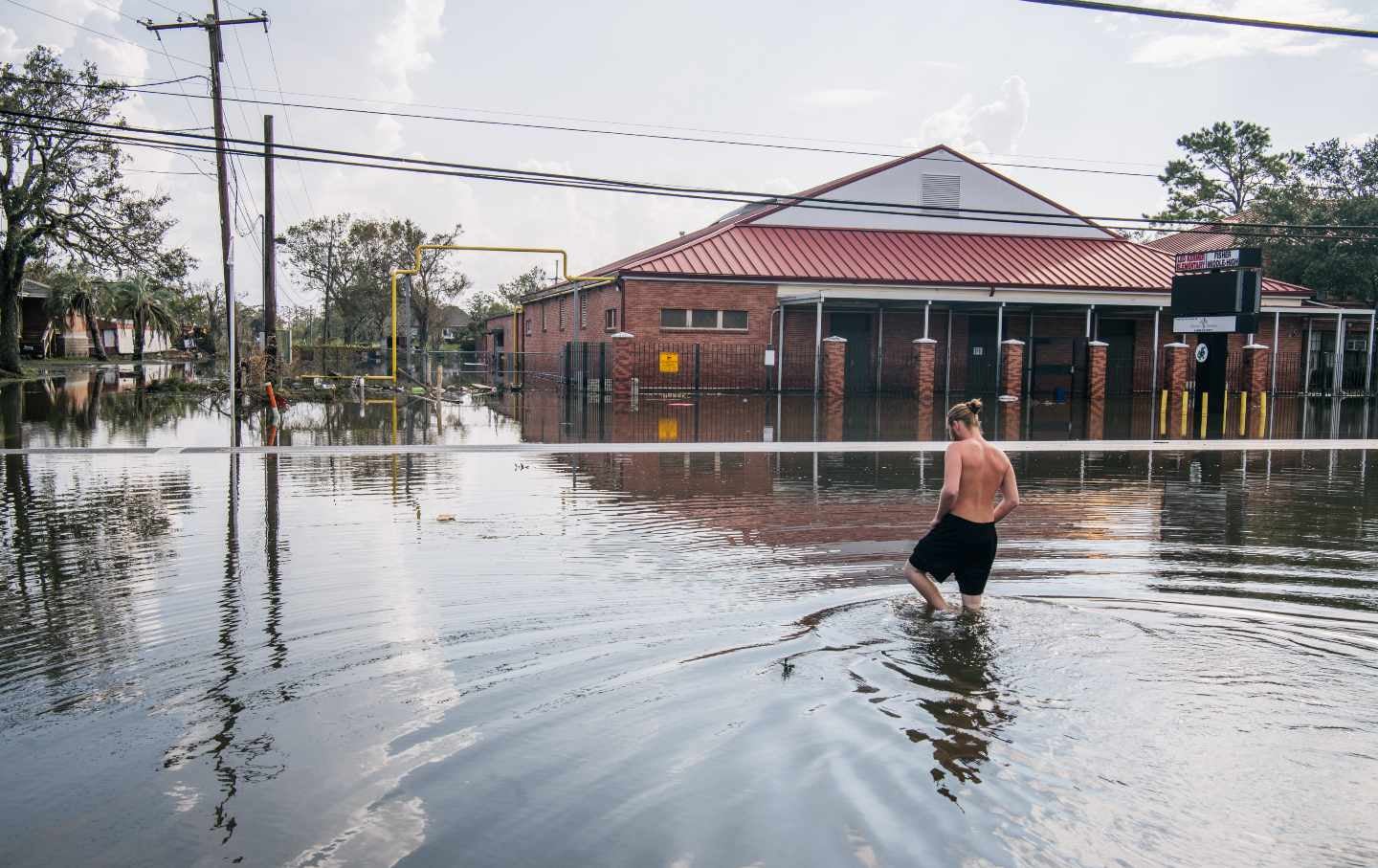
First, weather effects. A larger percentage of GDP will have to be spent on repairing weather damage. That means higher insurance premiums, one way or another. More will also have to be spent beefing up infrastructure and structures against weather and sea level rise. Harvests are likely to become more volatile because of more extreme weather events, so food prices will be higher than they would have been.
Conflict will rise because of the inability of many governments to deal with these issues, so more will also be spent on military force and internal security.
All of these are manageable with other things being equal, but they're not. Non-renewable ground water is being drawn down. China will find as Arabian Gulf countries have, that desalination is not without its downsides. Its south-north water projects will be vulnerable to weather too. I have no idea how inland South Asia will get its water if, as predicted, the Indian Summer Monsoon becomes unreliable.
At the same time we will in the process of trying to eliminate fossil fuels, which currently provide 80% of our primary energy and which are currently essential for producing steel, cement, fertilizer, and industrial chemicals at moderate prices. More of GDP will also be spent on the substitutes as well as the structures and equipment needed to produce them.
The main bit of missing context, though, is demographic. Working age populations will be shrinking during this time¹, and the proportion of the old elderly (older than 75) in populations will increase. The latter almost certainly means that healthcare will take an increasing fraction of GDP also². The former means that these burdens will fall on a smaller group.
With more spent on insurance premiums (one way or another), more expensive infrastructure, more spent on health (one way or another), and higher food prices, people will have less disposable income than they would have had otherwise.
1. Outside sub-Saharan Africa, a region which is not noted for effective government.
2. There's an interesting paper on the UN DESA population web site, describing how over the 20th century two things have happened to lifespan. Life expectancy has increased, and the variance of age at death has reduced dramatically. Currently most people can expect to live to 90 ± 5 years compared to 75 ± 20 in the mid 20th century.
Crucially, though, death is preceded by about 15 years of ill health, and this period is not shrinking. People now have a "healthspan" of 75 years, followed by 15 years of increasing demand on the medical system.
-----
3. The above is all predicated on the assumption that our political class can deal effectively with the situation, and wants to act in the interest of all citizens. It's a best case.
The question we are going to have to answer: "What happens when there is no future?"
I specifically remember one of my teacher saying they wouldn’t have children because the future was going to be unbearable for them.
What does this actually mean? What is a dying world, exactly?
Historically, the world has been an awful place to be. Most of Human history, 200k years or so, we were essentially nomadic tribes killing and eating each other(sometimes literally*). Since civilization has begun, we've been ostensibly more moral-- yet the majority of humans who have existed in the past 10,000 years were laborers we know very little about.
When you read about what people in Greece and Rome were like? That's mostly the well off nobles. Rarely did anyone bother to write about the lives of slaves, and subsequently we know next to nothing about them except that many of them had very harsh lives. We don't know what day to day life was like for the majority of Roman, for example.
Countless kingdoms have fallen-- Cesar had a book he published about some of his expeditions in genocide(or read another way, in conquering the enemy). When a city was sacked by the enemy; all resistance was killed, women were used, and then those remaining men women, and children were sold into slavery to fund the winning kingdom. Their stuff was sold too, as you won't be surprised to hear. If they really hated the other side, like when Rome felled Carthage, they would salt the earth after. While expensive, it guaranteed nothing would grow there for a long time after-- a testament to the power of the conquers to eliminate any opposition.
My point being.. I don't know why it's more unethical to birth humans into this world, than any of our ancestors. Logically, every human experiences unhappiness. How is it ever moral to birth humans into a world when humans experience pain? Human existence itself isn't purely logical and cannot be understood like that
* https://www.theguardian.com/science/2017/apr/06/prehistoric-...