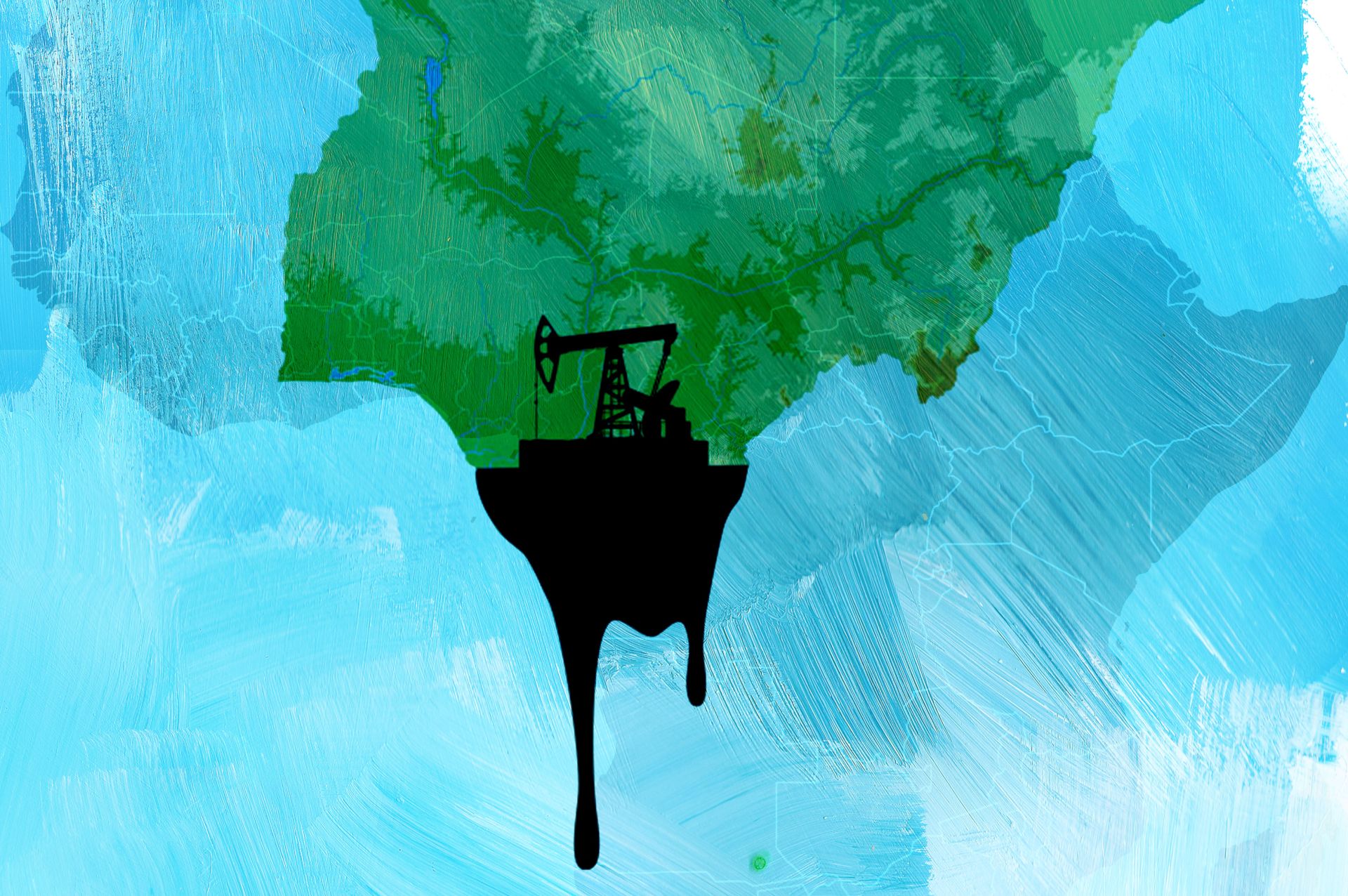
The Oil Thieves of Nigeria
How a violent conflict in the resource-rich Niger Delta has wrought ecological and economic devastation for a generation
New Lines Magazine
68 points · by deepbow · 3y ago · 40 comments
I honestly think people largely get what they deserve. We’ve decided to shun competence and embrace corruption…no surprise we’re seeing the results in a failed economy.
Really hope the Labour Party candidate wins the upcoming Presidential election, or else we’re f**ed. Even if that happens, there’s still a massive uphill battle because corruption is embedded from top to bottom.
>but sure, people still continue to vote in the corrupt and inept leaders.
i live in a military state so i don't see much of "democracy". Many years ago, 1986 to be exact, people came out and there was a grassroots level movement for "rights" and people did lots of campaigning and the whole exercise of "elections" but the union government saw that as an attack on their iron grip and the elections were rigged.
Since then, we've had elections in the last 20 odd years but EVERYONE in the elections process is inept and corrupt and a "paid shill". it really doesn't matter who we vote (we don't cast votes for that reason) because it is a bad choice vs bad choice.
No one wants to "stand up" because the whole system locally and the overlords in the union government do NOT allow anyone who would threaten their control and their control means these corrupt people should remain in power.
we've all but given up on this whole thing so yeah. It gets tiring.
>We’ve decided to shun competence and embrace corruption…no surprise we’re seeing the results in a failed economy.
we have only bad options so it is a pointless exercise "choosing between them" so we decide to forgo the whole sham exercise.
well, that is just me so take whatever you can from this
And how often do the violent victors reveal their true ambitions? To be exactly those they deposed.
I don't know if I made myself understood, my point is I don't think this is a situation you can vote yourself out of. I honestly don't know what can be done in such situations.
Imagine that you grow up in an environment where laboring is a way to sustain a so-so existence, and never anything more. The only way to make it big is to steal big. It's a life goal. If you get to a position if any power, you are expected to steal. If you do, others envy you. If you don't, others, including the regular folk, despise you, because they see you as an inept fool; were they in your position, they'd grab so much more! Also, your bosses tacitly expect that you grease their hand with some of the spoils from your position of some power; if you don't, you will lose your position, there are many more willing candidates.
The above happens naturally when people see the wealth of their community, or their whole society, as a loot box to grab, not as an orchard to grow. It's very easy to hold such views when much wealth comes from, well, grabbing natural resources like oil, ores, timber, etc. It may also be a convenient setup for those on the top, because it prevents people from trying to do something else than to get to the top the elites already control. No competition to the elites is going to form through cooperation and accumulation of wealth.
Once formed by greedy bandits, or instilled by conquerors (that is, greedy bandits from elsewhere), this sick system can continue as long as there are resources to extract and sell, boxes to loot. Of course even inside societies like those there are people who would prefer a different setup. Of course the change to a better society is not impossible. But it's a change that needs to alter ingrained values of many people, and topple many tiny power structures built on those which permeate the society. Such a change cannot be fast.
About cultural values, an anecdotal example: every time somebody gets prison time for stealing, fraud, embezzlement, etc, people comment things like "4 years for X million euros? Would gladly take that deal". Also people who make money with drugs or human trafficking are idols for many young people and they are open about it. We have song hits about this life style. This is what I call culture.
When resources dominate an economy like in Venezuela or Nigeria or Iraq or Russia then the spoils get contested and that fighting inevitably leads to unstable governments, authoritarianism, corruption, economic stagnation, etc. etc.
The only country to really escape the resource curse is Norway and that's likely coz they were discovered quite late after they had developed a high trust society and were able to manage the spoils effectively and fairly. They're the exception not the rule.
Oh please.
Last I checked the midwest and Austrialia were doing just fine. There are tons of commodity exporters that don't fit this pattern.
https://www.stakeholderdemocracy.org/resources/sdn-multimedi...
Full list of resources including those videos and also reports and guides to these topics: https://www.stakeholderdemocracy.org/resources/
Between 2013 and 2019 I worked as freelancer with them on two applications for the Nigerian National Oil Spill Detection and Response Agency (NOSDRA), the Oil Spill Monitor and the Gas Flare Tracker:
https://sentido-labs.com/en/portfolio/?filter=oil%20gas
There are many aspects to this conflict. One is the cultural division that the linked article only hints at: most power and wealth is held by Muslims from the north of the country (where the capital Abuja is) while the population in the Niger Delta (the oil-rich part) is predominantly Christian. Recently the president of Nigeria mentioned that weapons from Ukraine are finding their way to Nigeria ( https://english.almayadeen.net/news/politics/weapons-deliver... ). The same happened years ago from Libya when Gaddafi was killed in 2011.
Gangs are now stealing directly from the pipelines in a semi-professional manner in addition of the continued violence as there has been for such a long time.
The Americans help of course. This whole Africom nonsense that the Americans have been pushing lately is about making sure that companies like British Shell continue to 'own' African countries.
Are the Australian government "thieves" for taxing Rio Tinto?
ideally the Australian Government is representative and working on behalf of the overwhelming majority of Australians putting revenues in long term investment funds for security and into public infrastructure that benefits the health, security and economic well being of the nation.
This is not always the case for <random post-colonial African state> (or indeed any of the 190+ countries about the globe).
They should belong to the people. The state and the people are not the same thing in Australia and certainly not the same thing in Nigeria.
I mean, that sounds like a nice slogan that doesn't really mean anything. Can you give an example of what that would mean in practice?