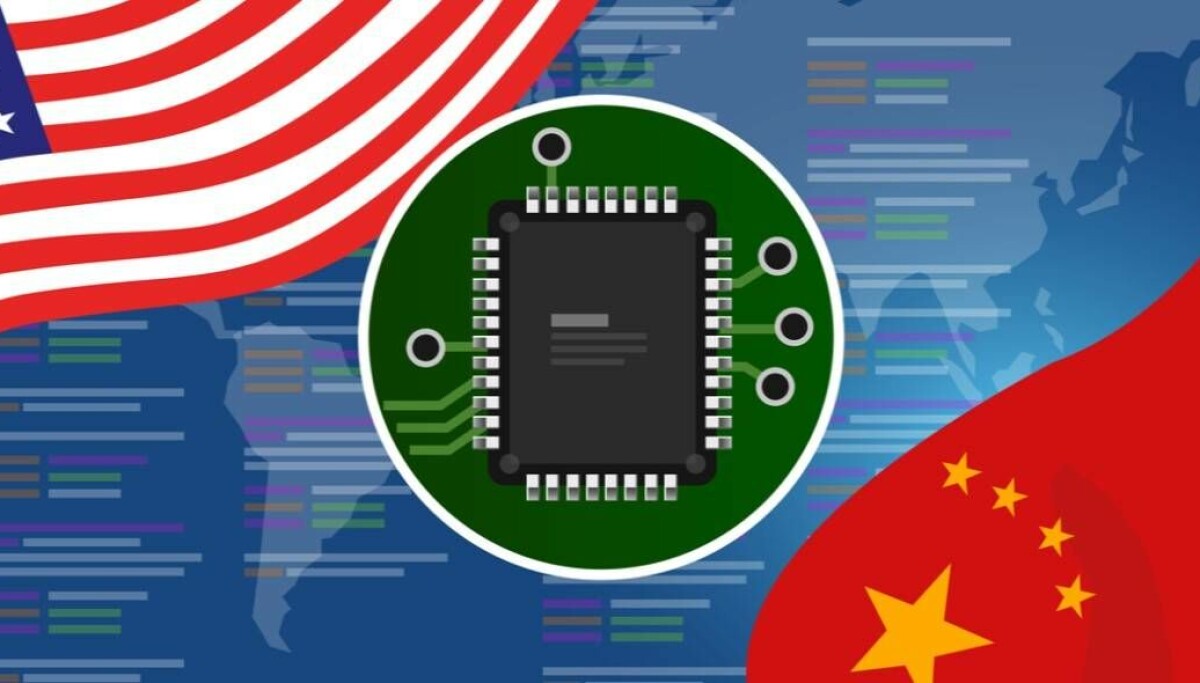
US government reportedly probes China’s use of RISC-V
Permissive licenses may be about to collide with geopolitics
theregister
26 points · by rntn · 2y ago · 12 comments
All Chinese RISC-V core designs have been proprietary designs thus far.
Because RISC-V ISA is open standard, there's nothing else the US government can control.
The JH7110 SoC from the Chinese firm Starfive uses SiFive's U74 core. Eswin, also Chinese uses SiFive's P550 core in their upcoming EIC7700 SoC.
> All Chinese RISC-V core designs have been proprietary designs thus far.
There is the OpenC910 [1] and OpenXiangShan [2].
No Chinese chip using the SiFive P870 (currently their highest end core, with a SPECInt2k6 of around 18/GHz) has been announced, but that doesn't mean a license agreement doesn't already exist. That's up in Arm Cortex X3 territory.
Maybe you mean Chinese-made, rather than proprietary?
As many open hardware RISC-V core designs come from China.
I wonder how a truly open project like that could be affected by geopolitics interests, and also, if it would really be effective.
Or in this case, the other way around: how open ISA may affect geopolitics.
RISC-V being free-for-all is a given at this point. But politicians-being-stupid also is. So who knows what they come up with.
Export stops on specific high-perf implementations won't do anything. China would just license from elsewhere, or make their own (which they are perfectly capable of doing).
Not to mention it works both ways: what China contributes to the RISC-V ecosystem, also benefits US interests. Frustrating that with export bans, just creates a lot of hostility for near-0 gain. Read: pointless.
As things stand internationally now though, it's probably a pretty long shot.
Who knows... with the right pressures in the right places, they could make it happen I guess.
The PRC joined the WTO in 2001. That was the ballgame.