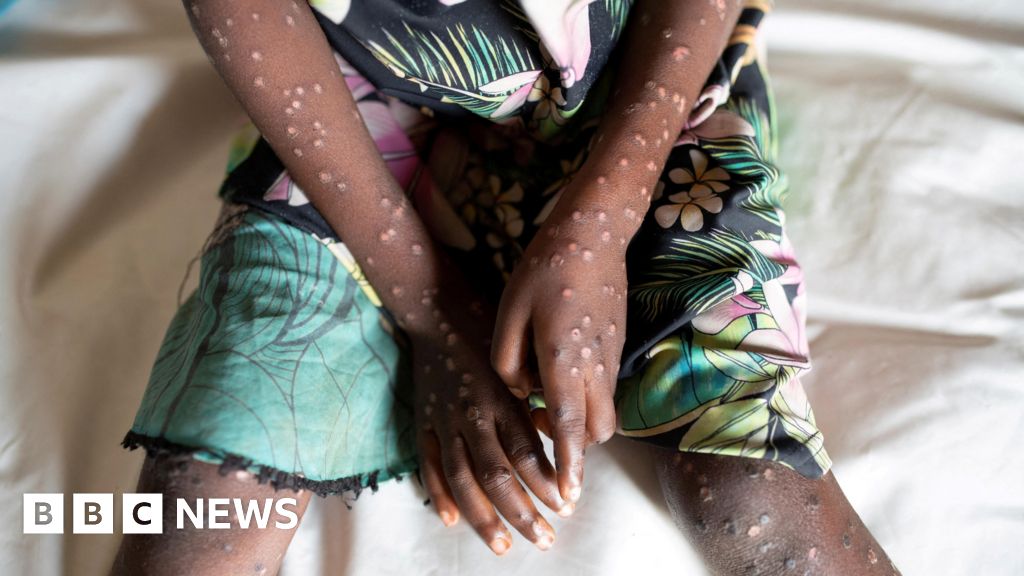
WHO declares Mpox global health emergency
Scientists are alarmed at the high fatality rate and rapid spread of a new variant of the virus.
bbc.com
53 points · by choult · 2y ago · 16 comments
Even in its limited state in the areas of Africa we're talking about, I doubt that health care was "saturated". The more fundamental problem is that you have a lot of people who are ill or malnourished to begin with.
And I'd say healthcare capacity in the afflicted areas is already saturated by default, in the senses I meant, which is that they have no remaining means to improve the outcomes for new disease cases. Severe deficit of vaccine and relevant immunoglobulins, no meaningful access to antivirals (admittedly I'm guessing about this one) and little to nothing to offer in symptomatic treatment over self care. My question to you then (and given your PhD background I guess you may actually have seen some data on it) is how many cases does it take before most "first-world" countries are in that situation as well? The USA may be better off than most due to strategic stockpiles of anti-smallpox measures, but let's say for the typical rest of them.
July 2022, https://www.science.org/content/article/declaring-monkeypox-...
The World Health Organization (WHO) today declared the global spread of monkeypox a Public Health Emergency of International Concern (PHEIC), even though a special advisory committee again declined to recommend the action. This is the first time since the PHEIC system was created in 2005 that the agency has made such a declaration without the panel’s endorsement. “This is big, unprecedented decision-making by the director general,” says Clare Wenham, a global health expert at the London School of Economics who has studied the history of PHEICs.
World Health Assembly, the annual meeting of its 194 member countries, today agreed a package of critical amendments to the International Health Regulations (2005) (IHR), and made concrete commitments to completing negotiations on a global pandemic agreement within a year, at the latest, and possibly in 2024. These critical actions have been taken in order to ensure comprehensive, robust systems are in place in all countries to protect the health and safety of all people everywhere from the risk of future outbreaks and pandemics.From the guidelines:
> If they'd cover it on TV news, it's probably off-topic.