27 points · by _p2zi · 1y ago · 68 comments
Like Uber cares about any of these things (prices, consumers, congestion, the environment)
Anyone with industry experience would tell you your statement is wildly off the mark, beyond perhaps employees desiring a livable wage.
Literally everyone in public transportation cares about prices, customers congestion and the environment.
Not sure how that squares with ~$40 billion high speed rail in California.
Most US transit agencies are designed as jobs programs (not necessarily bad, just wasteful) or to transfer tax money to construction firms.
Far less unprofitable than the road system. Gas taxes & tolls cover a far smaller percentage of road building & upkeep than bus fares cover of transit costs.
Even admitting that, I'd be willing to bet that essentially no single Uber employee is working that job out of care for environment, or interest in having a healthy transportation system in their city. I know for a fact that's a consideration for many people who work for city transit agencies.
That's basically how the market economy works. It's not controversial and it's why we in the industrialized world live in such affluence when compared to centrally planned systems or systems from the past.
I find these kind of comments like "corporation doesn't care" are lazy and boring. What's the point? It's a service, that looks pretty cool and is supplementing an often crappy public transportation system. And it won't cost taxpayers anything. In fact, it'll likely be subsidized by rich people who own Uber stock
There is obvious room for improvement with routes that dynamically respond to demand. If the bus doesn't have to run where nobody uses it, and can instead pick up riders who are waiting in a popular area, and take them where they want to go, the same number of buses and drivers could deliver much more transit value.
Probably it would be better if the city bus service ran this instead of Uber. But that bureaucracy has no history of making reasonable decisions.
My city did a hub and spoke type system, but the flip side is that you need to go downtown and change buses to get on the right spokes, which is confusing for people, and can take longer than a route that just goes in a big circle, if you're going somewhere that isn't super far away. That said, our system seems to mostly exist to get poor people where they want to go, vs being designed for working professionals, so I'm still not sure what the best solution would be.
Uber and those $1 private buses that some cities have are able to cut the bureaucracy and just popup routes that make sense for them to service without having to worry about disabled folks and such, so I'm sure they give a better experience to their customers while not providing a universal experience that a publicly funded operation would require.
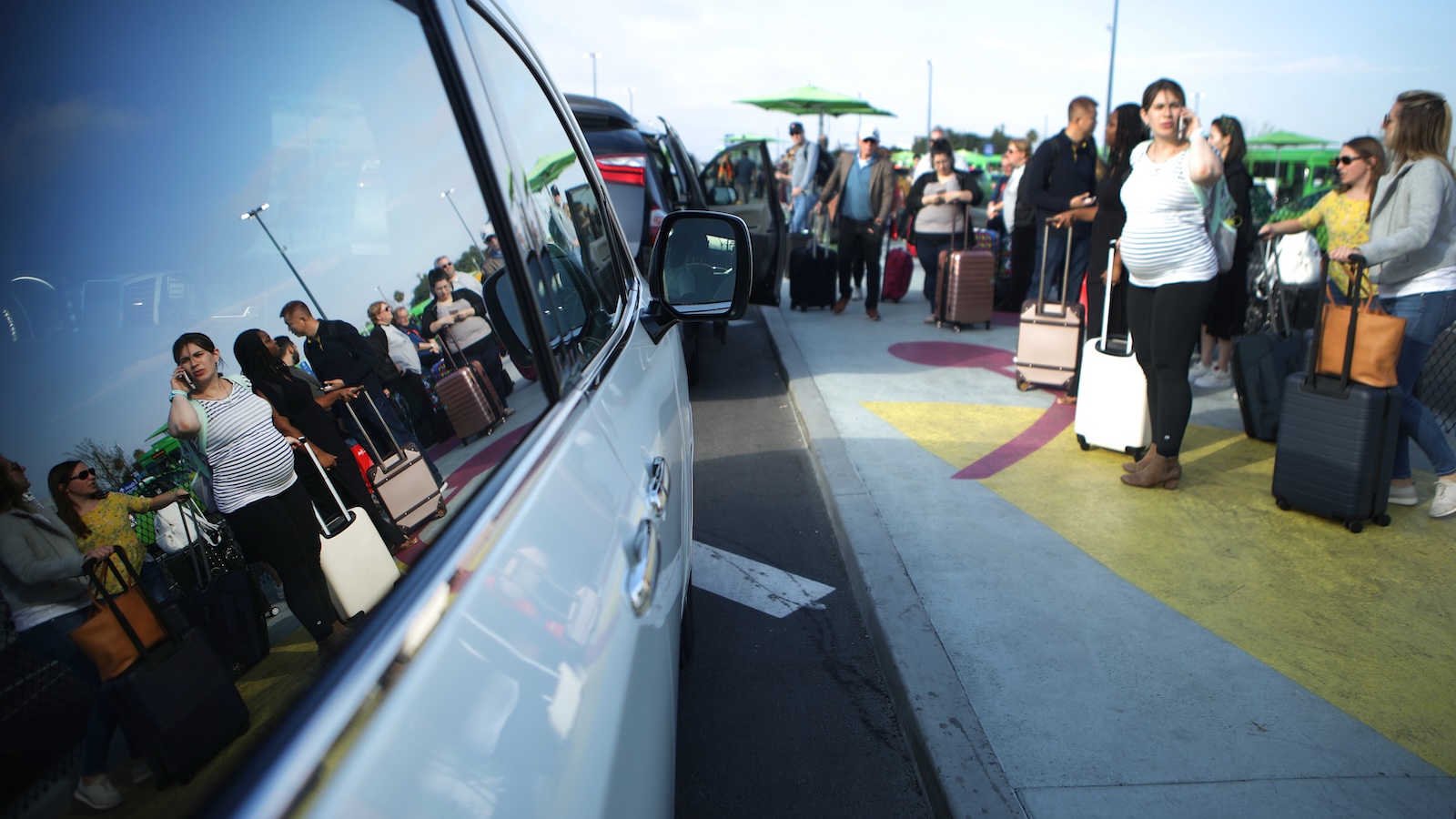
Uber gets me where I need to go faster and more reliably than the bus, already. The cars and buses should be combined into a single dispatch system. Then we can combine efficiency of buses that can transport several people (when the there is enough demand in that direction) with the flexibility of small cars to fill in the gaps. This system would be dramatically more useful than my city’s bus service is today, and would be a compelling competitor with solo driving.
These things are actually pretty great, in a way. My city is full of them. The drivers are maniacs, they're overcrowded and dangerous, but they're affordable, have great coverage and are better than yet more cars on the road.
Also, given that this is not a huge number of people, relative to public transportation in NYC, it would probably not make much of a budget increase.
We can roughly assess the economic value added to the community per dollar of transit spend. I am not sure that metric is possible to measure for Uber?
or for transit agencies
They can kick out disruptive passengers
Are the drivers employees, or self employed? Are they going to have security people riding the routes, or rely on the drivers to provide that service?
I have in mind local retailers, who pretty much ignore shoplifters because it costs more to pay for injuries to their employees who try to stop the shoplifting. So they let the shoplifters go.
By bus, it begins with a twenty-minute walk to the nearest stop. Then about twenty minutes on the bus. Then a twenty-minute walk to the destination. And that assumes the bus is precisely on time. I could just walk the entire way in about the same amount of time (though given the route, walking would be dangerous - no sidewalks, high-speed traffic).
I've not seen a public bus with a first class section, but it probably exists somewhere.
https://www.youtube.com/watch?v=3jhTnk3TCtc
My favorite is transport means that involve rails.