117 points · by pjmlp · 10mo ago · 128 comments
Maybe going forward there must be safeguards against power accumulation. The checks and balances obviously didn't work, so something more potent is needed.
In Europe it took Putin, Erdogan and the others 20 years to come the place where Trump reached in less than a years, so US needs it much more acutely obviously.
BTW this is not only about protecting the society from their existence but also protect the society from their sudden disappearance. With such concentration of power, the power of the nation often dies with those people. If they survive long enough to transition power peacefully, the best they can do is to leave it to their son and their sons often turns out to inherit the brutalities without the skills.
On 12 June 2020, Ukraine joined NATO's enhanced opportunity partner interoperability program.
On 2022, Russia invaded Ukraine.
I think Putin is a dictator, but comparing Trump to Putin is simply clueless.
> If you look at old interviews of Putin
Yes, let's do that: https://x.com/adnashmyash/status/1977146505900573089 2008: "Crimea is not disputed territory of Ukraine, and the issues of Russian speakers are internal issues of Ukraine."
2013: "Russia certainly doesn't plan to send troops into Ukraine."
2014: "After the annexation of Crimea, Russia doesn't plan to further divide Ukraine."
2019: "It's nonsense that Russia plans to attack anyone in future."
2022: "Russia's Special Military Operation does not involve the occupation of Ukrainian territories."
2023: "The conflict in Ukraine is not a territorial conflict — we have plenty of own territories."
2024: "Anyone who wants Russia to give up CONQUERED TERRITORIES in Ukraine must understand that this is impossible."The only ones that could cause change needed to reform their representation in the political system is the people. The incumbents have no incentive to do it.
That said, it doesn't seem to me that reform has been meaningfully attempted yet. It isn't reasonable to blame the establishment for blocking a reform that never got organized to begin with.
Presumably if there were concrete proposals with broad popular support intended to fix lobbying, gerrymandering, first past the post, and the information environment in general then we should see them implemented at the state level here and there. But we don't.
Why are the US people the cause?
And then we will talk about structural issues, to do with social mobility, education, a dysfunctional journalistic landscape, a tribalization of the political landscape and so on. But of course it doesn't stop there. You can go one up:
Why did these underlying causes came to be?
The simple answer is that a certain loose conglomerate of polticians, billionaires and CEOs thought it would profit them (it did). You can pick one of the issues mentioned above and go deep on why it is in the bad shape it is today and the answer will always boil down to lobbying and money in politics.
This are the much more insightful reasons and you get there just by asking "but why?" two times like a yound child. Totally recommended.
And here you take the easy way out. Just blame third parties. You should keep asking why to find the real cause.
My personal take, as someone who is European but has lived in the US, Texas metro areas specifically, is that first past the post elections sow division.
Choices are limited, political activity is neutered, and extremism builds until it finds an outlet through either of the two possible political choices. Taking over that side entirely.
Political systems needs vents for frustration, and the US system does not have that.
Which finally leads to the people.
The only ones that could cause change needed to reform their representation in the political system is the people.
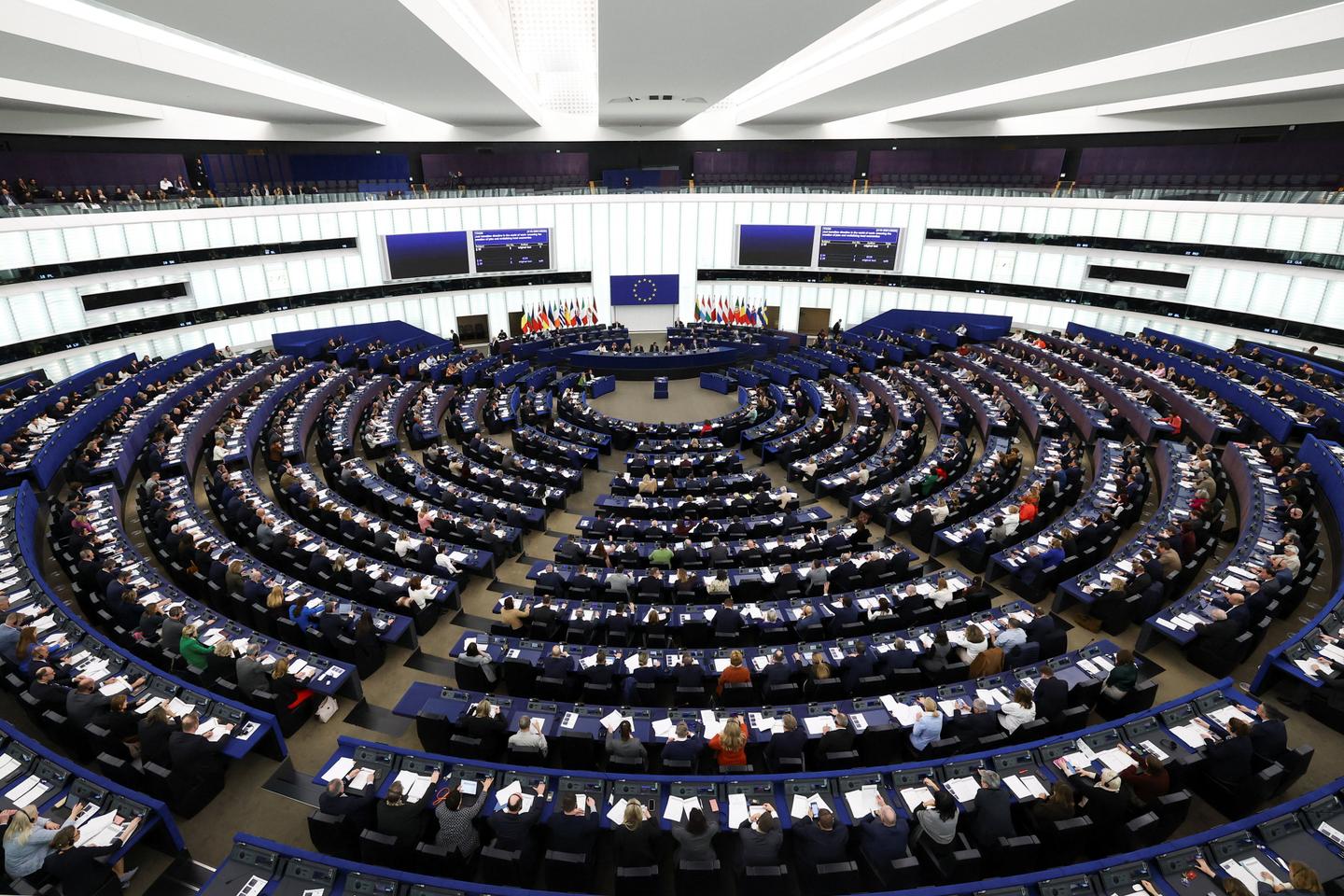
Trump is a symptom of this failure of political culture too.
America will be judged by its own demonic standards. The standard by which they justified their participation in the Holocaust of Gaza ("they voted for it").
The reason they don't is that they know that they will get primaried and lose their seat for someone more aligned with the people and Trump.
So an ally is irrelevant.
People wonder why the EU is built the way it is, and behaves the way it does. It's precisely to avoid this. To bind Germany and France together and avoid the big powers treating smaller neighbors like this. I guess that's bad to some people.
This is not a trade dispute over something signed last summer. It's a lot bigger than that.
He will do whatever he is told to do by the likes of Peter Thiel & co.
He believes they will switch from charisma to ideology to keep the movement going.
Recent example is how they are using Erika Kirk (she appears to play along quite well) https://www.foxnews.com/politics/vance-trump-jrs-plans-bolst...
https://orf.at/stories/3417584/
I doubt Trump would have ever even thought of Greenland on his own. I think was told about it, and the narrative planted in his head deliberately.
This focus on "Trump" in Internet comments and media irks me to no end. Trump is not a failure and not the wrong person in the job - he is ideal for those behind him. The money does not like public attention.
(Yes the president can't tell Greenland from Iceland, but neither half of those "tech bros" who failed geography at school
New trade relationships are being forged surprisingly quickly in the midst of all this. Anyone have a list of what's been recently announced? I can think of Mercator, EU-India, Canada-??...
But yeah, there will be some urgency now. In times of need, people find out that all the "necessary" bureaucracy isn't really that necessary. War or threat of war is the only thing stronger than red tape.
(For an analogy, when Russia invaded Ukraine, Germany put most of its regulations aside to build some infrastructure for import of liquified gas in mere 6 weeks or so. The same infrastructure, under peace conditions, would take some 10 years to litigate against every NIMBY and eco-organization out there.)
There are still farmer protests here in France every day against this deal. There will be a lot of pressure on French MEPs to vote against it when it goes to the EP for the final vote.
IDK man, I feel like supporting the local farming industry is a pretty important strategic move, even if it's a loss leader.
We already offshored manufacturing, energy supply and IT to our "allies" in the past and it's biting us in the ass right now.
Do we really want to repeat the same mistake again with food?
And yes, I get that food is important. Maybe the answer would be to unburden them from European regulations, which are pretty onerous. The few people active in agriculture I know complain about insane paper wars with authorities all the time.
One farmer I know got a hefty fine for building an impromptu shed for extra kids that were born beyond the expected count. Why are we doing this to ourselves, to 'secure our food'?
[0] https://ec.europa.eu/eurostat/statistics-explained/index.php... ("Glossary:Mercosur")
[1] https://en.wikipedia.org/wiki/Gerardus_Mercator ("Gerardus Mercator")
What's the point of all this? Aren't they all supposed to be just elected officials, and with the help of admin, supposed to just do their jobs?
I know I sound naive, I know it's more than this. I know interpersonal relationships matter and that's what these "contacts" are. But if all this can be thrown away by the actions of the few, what's the point of all this effort? Just simplify the entire structure, slash all this admin to the bare bones and let the people at the top show their competency, instead of the admin covering for them.
You wouldn't replace the entire CIA with political appointees every 4-8 years would you?
The CDC will need people that remember COVID in 30 years, will it not?
Surely, the delegation to Tehran should have some people that speak Farsi and have known their counterparts for 15-20 years, right?
The people at the top can't possibly have institutional knowledge for all the institutions under their control. Even a statesman like George H. W. Bush only has institutional knowledge for one branch of the military and the CIA. Should we have shown his competency in the affairs of the state department, department of energy, education, FBI, etc.?
As a European myself, I will support politicians with an uncompromising approach, no matter the cost.
- Foreign producers
- Domestic consumers
- Domestic companies (via lower profits)
Who pays more depends on bargaining power and market structure.
You are correct that importers pay tariffs on paper but that doesn’t always mean the tariffs are paid by the importers in real terms. Exporters may not want to change prices for competitiveness to local goods so in the end regardless of the actual invoice, the exporter is paying for those tariffs. You can find multiple exporters talking about absorbing those costs. I