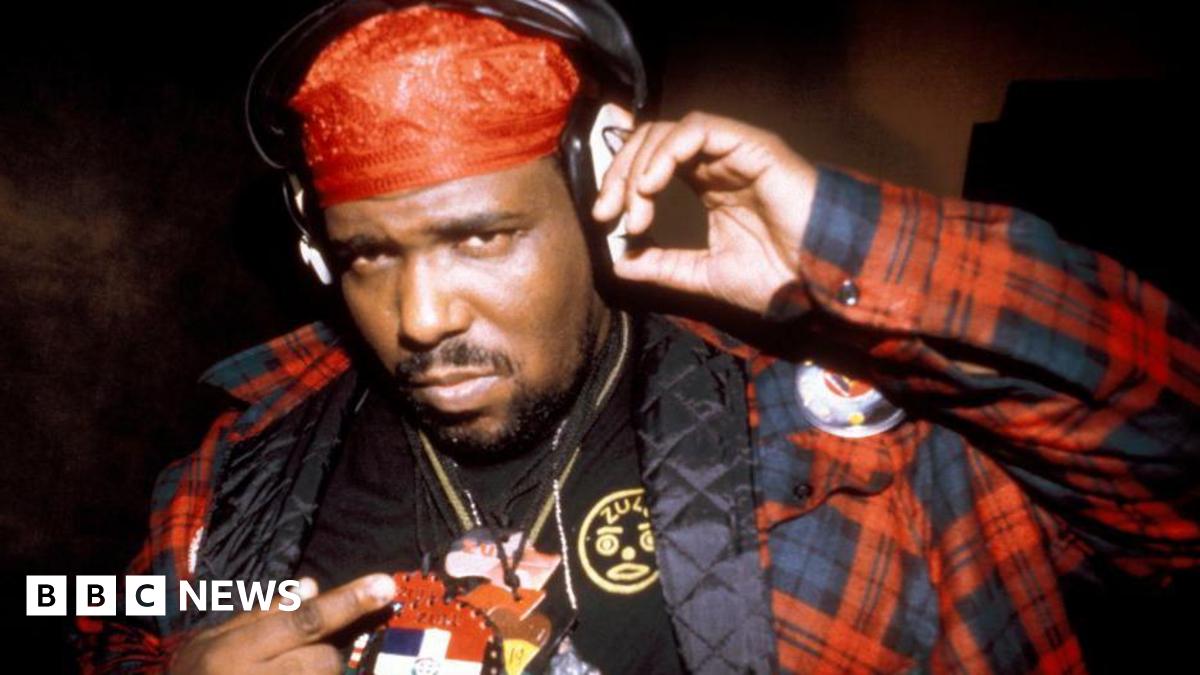
Afrika Bambaataa, hip-hop music pioneer, dies aged 68
The Bronx born rapper's global hit Planet Rock is credited with shaping hip-hop in the 1980s.
BBC News
186 points · by mellosouls · 7mo ago · 67 comments
When I open up a famous author / musician / athlete's wikipedia page, it feels like it's a coin flip over whether there's some horrible thing they've done and largely gotten away with it.
I'm still upset about Neil Gaiman. I connected deeply with a lot of his work in my youth and now I don't know what to think...
As much as I love live music after a while it just sort of became a job, but every now and again an incredible musician would come through and I wouldn’t know until I showed up for my shift and I asked my coworkers who was playing that night.
One night I come in and my jaw drops when find out it’s fucking DJ Africa Bambaataa! Now I’m not big into hip hop but I had listened to a few of his albums and I knew his music was phenomenal and I was shocked such a legend was playing in my town.
The crazy part is only like 100 people showed up out of a capacity of like 800 but every single one of those people could dance.
The venue had an old sound booth that was attached to ceiling and was accessible with a rickety old spiral staircase, as it was so slow that night I spent most of my time up there just soaking in that experience.
I’ve seen a lot of live shows in my day but that one stands out.
I'm still trying to digest all the s3xual abuse allegations against Bam later in life.
RIP Bam
This is not TikTok. You can spell the word sexual without fear.
Massively influential guy to hip hop, but what a shame.
No idea about the allegations until now, which means the news doubly suck.
We didn't play Bambaataa, R Kelly or Tupac (convicted rapist) records. That's about all a radio station could do. Can't state what legally speaking were merely rumors on the air without facing problems. All you can do is not support them commercially, which we did.
what key do i push for 'lots of doubt'?
I wouldn't go around DJing an abuser's music but I find it insufficient to stop at signaling about it and cancelling. That's where the work begins, not where it ends.
Stopping at jailing abusers will force them to hide better and prevent the more cowardly ones from acting, but it won't stop before the process behind it is fully understood, internalized and treated. I don't know the story behind it but there's a very high chance Afrika Bambaataa was abused as a child.
I think we have enough evidence these days to confidently say race has nothing to do with it.
For people who get enough power and influence they'll either become role models from a position of power, get followers and maybe even act as mentors to their subsequent victims (priests, teachers, various artists, activists and other "influencers"), or they're rich enough to think/know they can get away with anything (everyone in the Epstein files).
I'm saying quite literally that it's over-represented in Black American artists, alongside with drug abuse. Which is a theme explored extensively by Black American artists themselves, most recently Kendrick. That it happens to white people in a similar set of circumstances (absentee parents and abuse during childhood) confirms my point.
A) artist is never played again, no more royalties are paid. Nobody gets to enjoy the music.
B) the artist's estate is sold to a victims compensation trust, that collects, say, $4m/year that gets distributed to victims and charities. You still hear their song occasionally on the radio and gradually forget about their plight over the years.
Which one brings the victims closer to justice?