133 points · by DiabloD3 · 13y ago · 35 comments
I still have no idea what the "TPP" thing is...when I look at the other sources I just get things like "you will be banned from being able to modify the save file on your game"...huh really? What if I only support indie developers and publishers who don't enforce arbitrary restrictions? Vote with your purse etc.
And then there are a lot of the "it could", "it might", "possibly"...reeks of the same politics where "death panels" and other bullcrap comes from...following the sources and reading the actual proposals it is much less sinister.
http://whytheheckshouldicareaboutthetpp.com/?f=10&q=6 - The words "unauthorized" should be in there...which has a much less powerful point.
Present a reasonable, scientifically backed argument...then maybe I will listen.
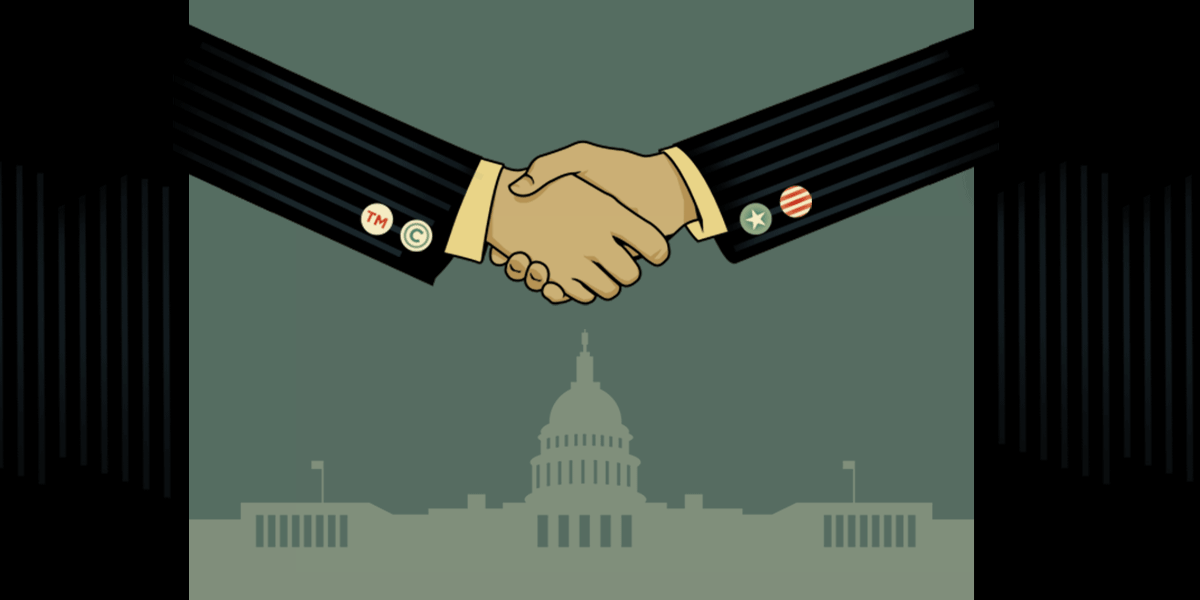
“I have heard the argument that transparency would undermine the Trade Representative’s policy to complete the trade agreement because public opposition would be significant,” Warren explained. “In other words, if people knew what was going on, they would stop it. This argument is exactly backwards. If transparency would lead to widespread public opposition to a trade agreement, then that trade agreement should not be the policy of the United States.”
watch her here: https://www.youtube.com/watch?&v=kAgJaIwdXLI
democracynow has more info out yesterday: http://www.youtube.com/watch?v=CS-x5SlcPPM
A modern trade agreement represents a balancing of a huge number of private interests. Some will benefit and some will be harmed, but the overall outcome is expected to be positive for all sides. Achieving that balance will require concessions from both sides. It is an extraordinary restraint on the capabilities of the USTR if they must worry about every concession they offer (which may never even make it into the deal) being trumpeted to the rooftops by domestic political opposition.
This is really common sense. It's the same reason the military base closure commission deliberates in private, or, for that matter, why the U.S. Supreme Court does, even with no direct electoral politics at issue.
The USTR cannot avail itself of such justifications.
Basically, it's some sort of anti-consumer deal (presumably, because consumers have no input in it).
Improperly labelled food would impede consumer choice (and thus voting with your purse). Given how popular the organic movement is, labeling food as containing GMO would probably be a significant factor in influencing consumer purse-voting habits.
It's the flipside of the oft proposed "let them vote with their dollars" solution that's not often discussed: in order to make informed decisions people need (easy, plain language) access to honest, total information. If the problem of information is solved today in a non-utopian free-market, the move to one becomes less dangerous. If we shift to one from the information desert of today the consumer is just screwed for eternity.
That is, it's one problem of many with that solution; the hardest, as I see it, is proving that such a thing as a rational, informed consumer is not a myth.
http://www.wikileaksparty.org.au/why-australians-should-be-w...
If true that's nuts. Even the WTO only lets you do tit-for-tat.
The whole point is that there's no public discosure of the proposals and only some leaked documents from a year before. If you have more information, please share.
Keeping a sceptical view and expect the worst case scenario out of these talks is the healthiest stance I think. We can always dismiss these when reasonable and scientifically backed arguments point at the contrary.
I see a lot of data that contradicts that statement, time and again. Is that a general feeling you have on the subject and/or does that get backed up by published numbers ?
"Lack of transparency: The entire process has shut out multi-stakeholder participation and is shrouded in secrecy."
Basically: the stuff about "secrecy" is pure scaremongering. There's nothing special about the way TPP is being out together.
"The stakeholder engagement events in the morning were followed by a stakeholder briefing in the afternoon. The briefing allowed registered individuals from civil society and the public to ask questions of and make comments to eight out of the nine negotiators who represent a TPP country. The press was barred from the room. Roughly 25 people rose from the audience to ask questions to the trade delegates during the 90-minute briefing period. As predicted, they were not transparent about the talks, revealed little new information, and delegates also refused to make any comments based on leaked version of texts—the only text EFF and other public interest organizations have had access to. It is difficult for public stakeholders to ask accurate questions or receive any substantive answers when the content of the agreement continues to be shrouded in secrecy."
https://www.eff.org/deeplinks/2012/09/tpp-trade-delegates-sh...
At the very least the full-text of the agreement should be available publicly for a 90 day comment period before congress votes on it.
Can you explain?
https://www.youtube.com/watch?feature=player_embedded&v=p3Kl...