The upside to being let go by Nokia
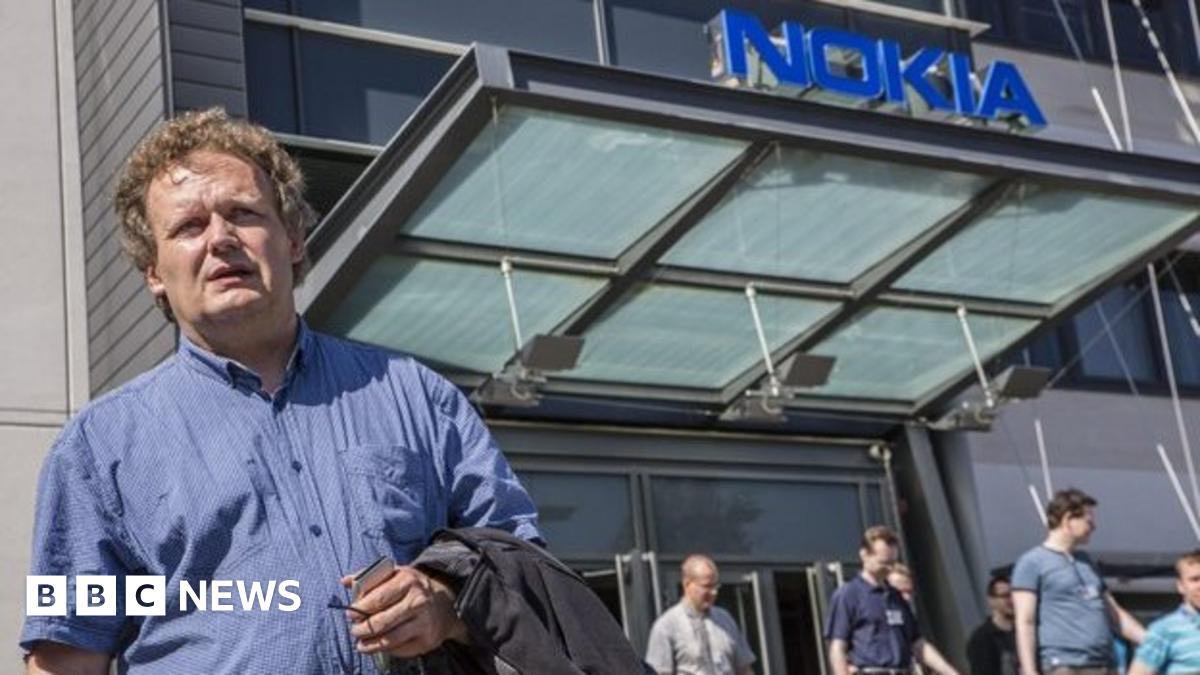
Thousands of Nokia workers have been made redundant in recent years. But ex-Nokians have since created hundreds of new companies - thanks in part to support from Nokia itself.
BBC News
78 points · by sambeau · 12y ago · 51 comments
When Nokia killed MeeGo, they let Jolla take the technology and make a new company out of it when they could have easily thwarted it with any number of legal/IP/HR chokeholds. But Nokia looked the other way and let Jolla continue.
When Zynga killed OMGpop (of "Draw Something" fame), the original people wanted to keep OMGpop going, and even offered to buy it back from Zynga. Zynga refused and insisted OMGpop's remains be destroyed.
Good Guy Nokia
https://www.kickstarter.com/projects/technicalillusions/cast...
It's a pity that these situations are notable and not the default.
Also, this article makes me think of the IP stockpile within a company in general. While most companies tries to cash in from their research work, what Nokia has done is to enable the creation of hundreds of startups. I hope more companies emulate such models to help advance the state of the art rather than gather dust in vaults.
On the other-hand, morale must be terrible at places like Nokia and Blackberry right now. Programs like this help the company as it creates loyalty and helps keep good employees in place as they know that there will be assistance if they do get laid off. But once again, it could create or hasten a death-spiral. Employees can see that these layoff programs are expensive so they may bail out to get theirs before the money runs out. Tough times. Touch choices.
This is a completely predictable expense - a company shouldn't be put out of business by paying redundancy money any more than they should go out of business when the electricity bill comes in or the printer needs a new toner cartridge.
EDIT: I should had put more emphasis on "rarity" - lets say almost unimaginable. At least, I have an impression that it is much more common in USA.
Also, I think you don't need that much money in Europe, thanks to things like socialized healthcare.
The new Valley isn't that way, and that's actually a bit dangerous. I know someone who was let go from a startup, not given investor contact (or even a severance package) and he pretty much destroyed the place.
I had several family members work at Intel in the early 80's. I remember the stories about how Intel was known to really take care of their employees, even after they left the company.
I'm from Norway, and I was shocked when I moved to the UK where typical notice periods is only one month. In Norway it is extremely hard to write a contract that will hold up that limits notice periods for full time non-seasonal workers to less than 3 months.
Most of the time people work out a 3 month notice period. And in fact, except in special circumstances, we generally have the right (and duty, if we want to continue to get paid through our notice period) to keep showing up for work and doing our job.
In practice, most people who are offered/asked nicely to stop coming in to work earlier will come to a suitable arrangement, but it is not very common.
And, most Americans are very reasonable. I would never smash-up something that belonged to my employer even if I was upset. That's wrong. Most of us would just like to be treated with respect and dignity and be able to contribute to society and provide for our families and be part of our communities.
What kind of arrangement? Keep all the money but don't come in? I would think three months at a position you are leaving would be kind of awkward.
"..I obviously wouldn't want him back in the building"
I am sure he won't be back (at least for a while) because he will most likely be in prison for sometime. He was an outlier. For the most part though, people are reasonable and just want to be treated with decency when getting laid-off/fired.
But the market doesn't reward companies for doing the right thing for its employees. It rewards companies for making products that people wanted to buy. And we failed to do that (mainly because we made catastrophically wrong choices in which operating systems to get behind).
It is a shame. As someone staying behind in what is now "New Nokia" I can only hope the company remains a special place to work.
EDIT: by "we" I mean "our leadership". I don't think many of the Nokia rank-and-file would have supported the 2011 decision to do Windows Phone and only Windows Phone (if anyone would have asked them).
The Windows phone, while not terrible, is completely eclipsed by the forerunners which have cornered the smartphone and tablet markets, using experience to guide them.
Windows mobile seems to still operate under the illusion that they can dictate how you use your phone, which would work, if they'd been as ubiquitous as iOS has become.
Nokia bought Navteq for ~$8 billion a few years back. They're the only source for mapping data that is comparable to Google.
Also the reorganization under Elop wasn't all warm and fuzzy either, from what friends in Finland told me. Recall the protest over the Windows Phone decision.
I liked Nokia, left on my own, but this warm fuzzy, not always the case. The fact that many started their own companies, etc, is a great thing to learn though.