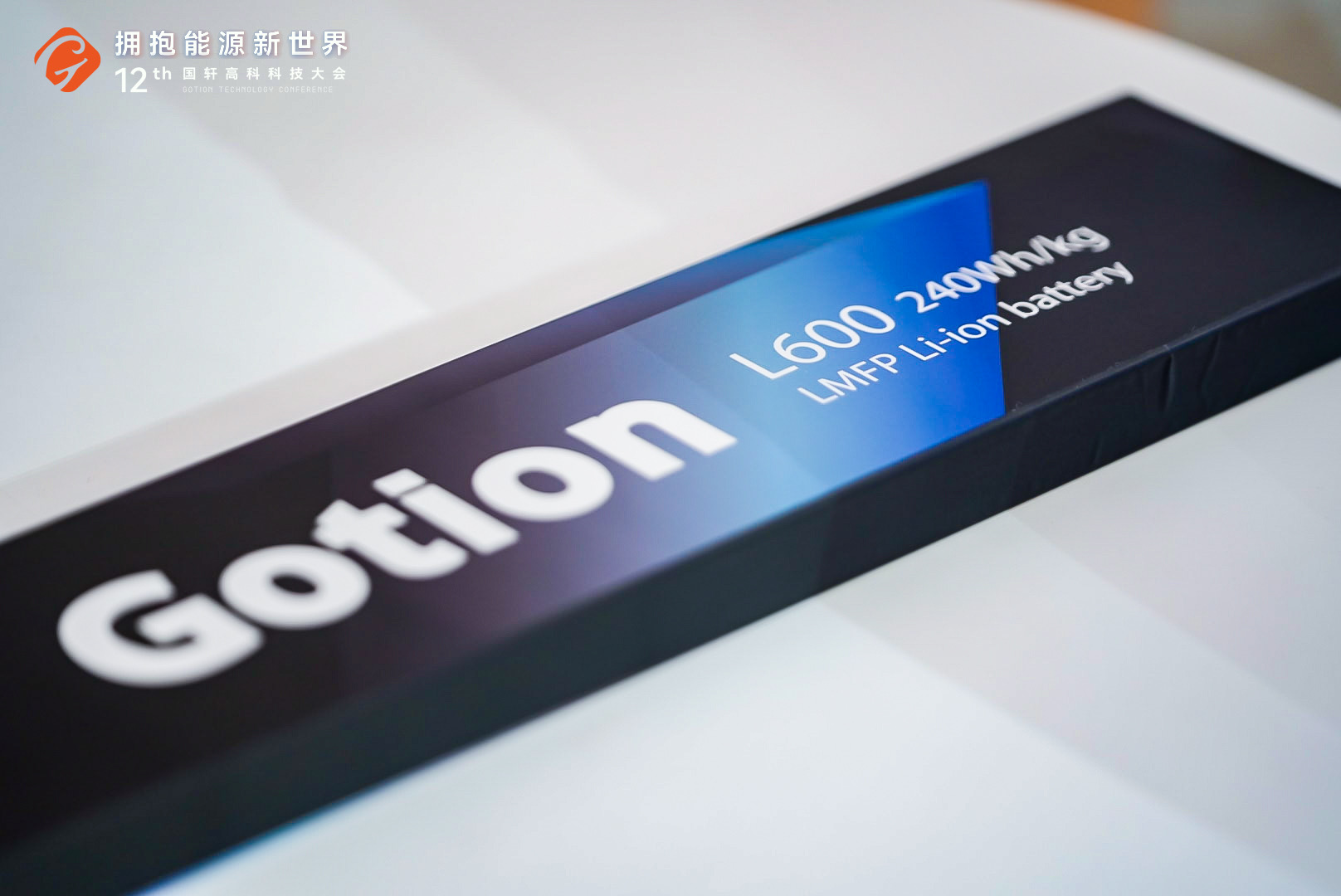
VW-backed Gotion unveils new 1,000 km range EV battery · TechNode
The battery is a potential offering to a group of automakers, including Volkswagen, for their mainstream models.
TechNode
49 points · by hunglee2 · 3y ago · 46 comments
https://thedriven.io/2023/05/19/zeekr-begins-deliveries-of-i...
Which points to the real good news: that multiple, credible, (very) high volume manufacturers seem to be simultaneously announcing breakthroughs on density, cost, weight and materials so it's not just one company's PR getting a little excited.
Sure, there are edge cases where this makes sense, but the average daily commute is well under 100km. A 500km battery is quite useful for family trips once a month, but beyond that you are getting into silly territory. For a "mainstream model", a 1000km range is just wasteful.
Using their numbers, you are carrying an extra 75kg with you all the time for each extra 100km in range - or 375kg for those extra 500km of range. It's like hauling a trailer 24/7, just because you might need it one day.
EPA range is for a mix of highway and urban driving; unlike ICE vehicles, EVs get worse range on the highway, and typically highway driving is where you actually care about range on an EV.
Weather can also reduce EV range by quite a lot, particularly cold weather and headwinds.
But as others have pointed out, the elephant in the room is towing. Towing can more than double energy consumption. The F-150 Lightning will happily tow a 3-ton trailer, but if you tow that trailer at 70mph the Lightning will barely go 100 miles before needing a recharge.
So for a tow vehicle, an EPA range of 1000km would be extremely useful.
There are certainly use cases for cars with a 1000-km range, but the average consumer isn't going to need it.
A car is rarely if ever the optimal solution for a daily commute. Let people have long-range vehicles.
In terms of time cost, I'd spend up to a full day charging (not including overnight charging, which means finding hotels with charging stations). In terms of short term cost, I'd save close to a 1000USD in fuel, which would be lovely. In terms of long term cost, as soon as I have an EV I'm signing up for a 40000USD bill to replace the battery packs in the future. No ICE car has that pending charge. My current car, almost 20 years old, needs at most 2000USD of work to get it into 'pristine' condition.
The issue with EVs is the sheer amount of infrastructure required to make them work, and all of that boils down to energy density. When batteries hit the same energy density as fossil fuels with the same environmental impact we'll be on to something. As it stands, the environmental burden and personal costs of EVs far outweigh the benefits.
I'd imagine as more people buy EV's they will understand personally why they don't need 1,000km of range and then more of these batteries will go to use in large over the road trucks or planes.
If you don't have any special equipment in your house and need to charge your Tesla you get 2-3 miles of charge for every hour you charge it. In effect you're talking an overnight charge to get anywhere meaningful.[1]
If charging times were comparable to filling a tank with gas then yeah I can see how 1000km would be wasteful, but if for instance you wanted to take your electric car camping anywhere interesting, or even make real progress on a road trip, this range starts to make sense.
e.g. US median commute is 35 miles, and you can get 350-mile EVs. EVs are most efficient at low speeds, so in city driving they can reach their advertised range.
Being weak on oil and strong on manufacturing led them to take a less insane approach to climate change than in more oil dominated economies.
> China added more wind generation capacity in the past two years than over the previous seven, and in 2022 generated 46% more wind power than all of Europe, the second largest wind generation market, according to data from think tank Ember.
https://www.reuters.com/markets/commodities/china-widens-ren...
Ignore it, they don't know any better and don't want to.
China strategically took over a huge percentage of the world's manufacturing ability, and access to essential minerals. They are now reaping the rewards of other countries' mandated switch to renewable tech.
Battery chemistry breakthroughs don’t come that usually from China, though.